


EU banned seaborne Russian crude imports
Russian sanctions not watertight
Moscow will likely still be able to find buyers and ships for its exports of crude and products despite the measures
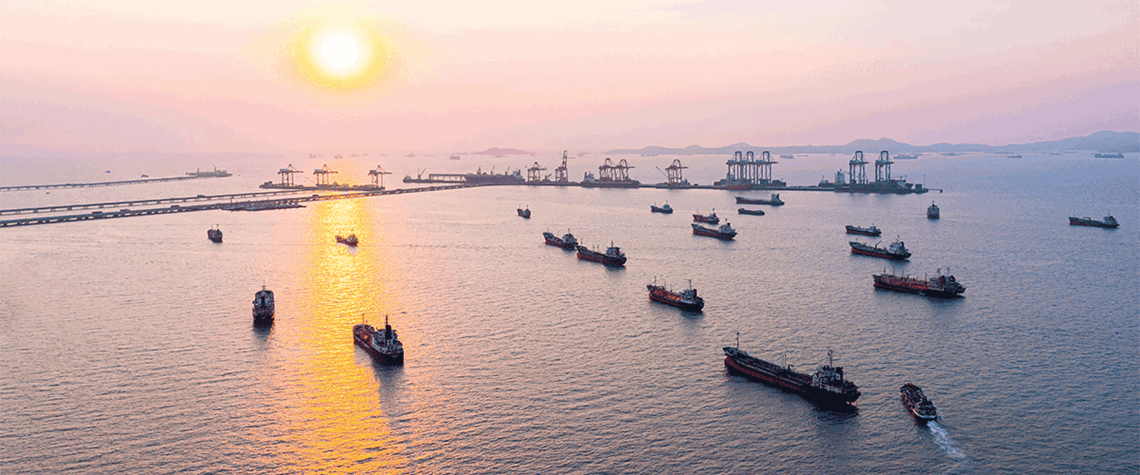
Moscow’s invasion of Ukraine and the subsequent Western sanctions on Russian crude and products have had significant impacts on the global tanker markets. Pre-war trade flows have been disrupted, redirected or cut altogether in a worldwide reshuffling of hydrocarbon supply, while the use of sanctions-busting measures has picked up and led to a grey market that includes disguising the origin of cargoes and using tankers not aligned to key insurance clubs. And the effects continue to reverberate with the recent introduction of the G7 price cap and the EU’s import bans. The EU banned seaborne Russian crude imports on 5 December last year and a similar ban on product shipments came into force on

Also in this section
21 April 2026
After overcoming a COVID-induced demand collapse with several years of successful market management, geopolitical events have conspired to provide the pact’s biggest test to date
21 April 2026
The regime’s policy of using nuclear ambiguity as a deterrent may have failed but it has realised it has other cards to play, while its neighbours are reappraising their approach to security
21 April 2026
As the global energy system undergoes a fundamental realignment, Algihaz Holdings has established itself as a critical player bridging conventional energy markets and the next generation of renewable infrastructure.
21 April 2026
The 25th WPC Energy Congress is taking place from 11-15 October 2026 at the Riyadh Front Exhibition & Conference Center.



