


EU banned seaborne Russian crude imports
Russian sanctions not watertight
Moscow will likely still be able to find buyers and ships for its exports of crude and products despite the measures
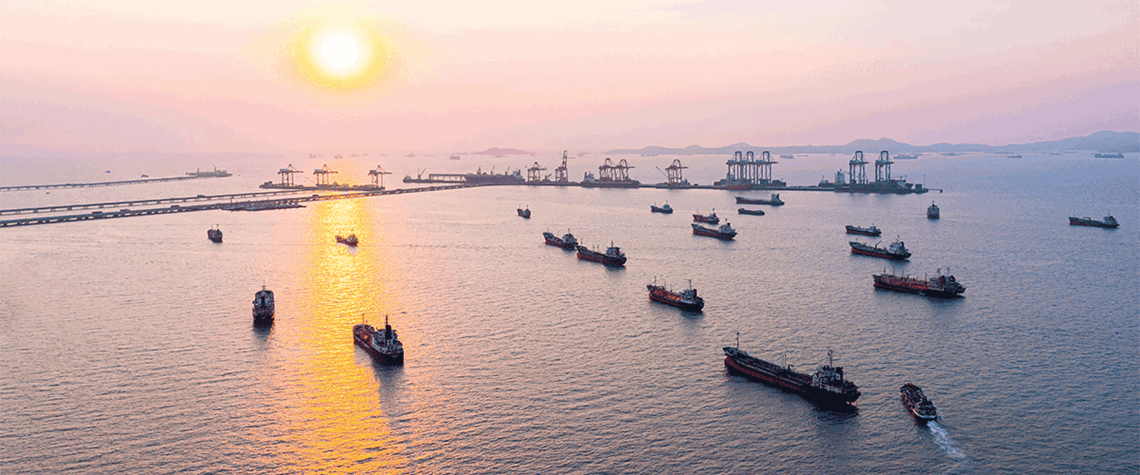
Moscow’s invasion of Ukraine and the subsequent Western sanctions on Russian crude and products have had significant impacts on the global tanker markets. Pre-war trade flows have been disrupted, redirected or cut altogether in a worldwide reshuffling of hydrocarbon supply, while the use of sanctions-busting measures has picked up and led to a grey market that includes disguising the origin of cargoes and using tankers not aligned to key insurance clubs. And the effects continue to reverberate with the recent introduction of the G7 price cap and the EU’s import bans. The EU banned seaborne Russian crude imports on 5 December last year and a similar ban on product shipments came into force on

Also in this section
1 April 2026
Golden Pass’s startup offers QatarEnergy a timely boost but may also force a difficult choice between honouring disrupted contracts and capitalising on soaring spot LNG prices
1 April 2026
It is not a case of if or when, but the length and magnitude of economic damage from elevated oil prices
1 April 2026
The US-Iran conflict demonstrates the need for diversification in several senses of the word. It also exposes the limits of Washington applying pressure on major oil and gas producers it considers geopolitical adversaries
31 March 2026
Disappointing results in its bidding round are a reality check for Libya, and global exploration generally



