


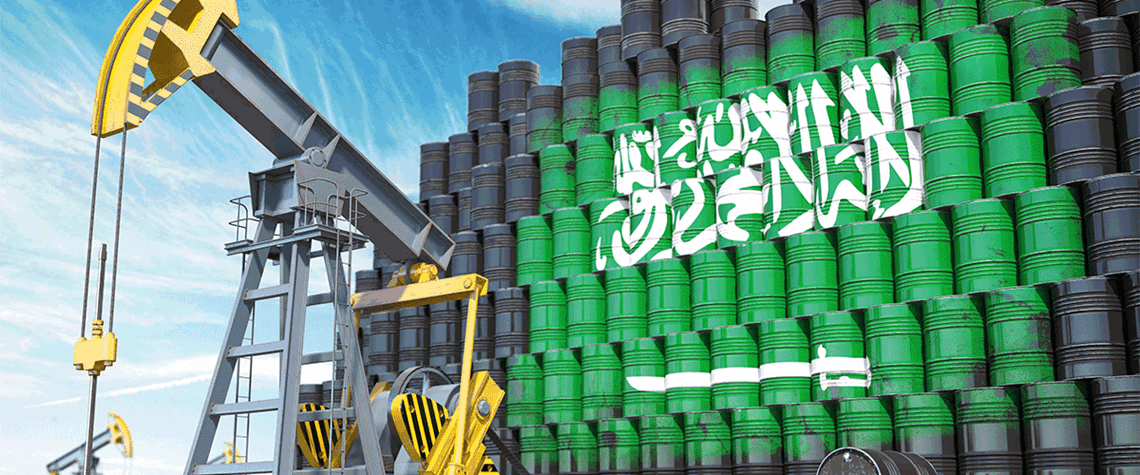
Saudi Arabia has pressured smaller nations to accept production quota reductions
E&P investment becoming mission impossible
Oil price volatility and the high cost of hedging mean putting money into exploration and production is unaffordable for all but the largest players
The Opec+ members and central bankers from the EU, the US and the UK all announced key decisions in June 2023. Their actions vividly demonstrated why investors across the world will put money into building plants to produce everything from computer chips to batteries but will not back proposals to drill for oil. The central bankers, as usual, telegraphed their actions in advance in a concerted effort to warn investors and/or confirm market expectations. The policies adopted since the appointment of Prince Abdulaziz bin Salman as oil minister have made it more challenging for most companies to invest safely in oil exploration. These policies clearly result from Crown Prince Mohammed bin Salma

Also in this section
1 April 2026
Golden Pass’s startup offers QatarEnergy a timely boost but may also force a difficult choice between honouring disrupted contracts and capitalising on soaring spot LNG prices
1 April 2026
It is not a case of if or when, but the length and magnitude of economic damage from elevated oil prices
1 April 2026
The US-Iran conflict demonstrates the need for diversification in several senses of the word. It also exposes the limits of Washington applying pressure on major oil and gas producers it considers geopolitical adversaries
31 March 2026
Disappointing results in its bidding round are a reality check for Libya, and global exploration generally



