


Newsletters | Request Trial | Log in | Advertise | Digital Issue   |   Search
  • Upstream
  • Midstream & Downstream
  • Gas & LNG
  • Trading & Markets
  • Corporate & Finance
  • Geopolitics
  • Podcasts
Search
Related Articles
OPEC presses pause
The group’s oil production declined in November, our latest analysis finds, amid divided sentiment over market balances and geopolitical jitters
Letter from London: Oil’s golden triangle
The interplay between OPEC+, China and the US will define oil markets throughout 2026
Sonatrach feels the winds of change
Algeria’s state energy company has new leadership looking to inject fresh momentum into its upstream E&P sector—with majors’ interest piqued by untapped unconventional gas deposits
OPEC+ nears output targets amid unsolved riddles
OPEC+ has proven to be astute at bringing back oil production, but mysteries around Chinese buying, missing barrels and oil-on-water have left the group in wait-and-see mode
Accelerating MENA’s gas transformation
Gas has become a pillar of MENA economies and a catalyst for development strategies, fostering cooperation and creating new paths for economic diversification. Continued progress will require substantial investment and adapted regulations
MENA states try to change their gas fortunes
While Syria has gas import plans and Jordan is targeting greater production, Egypt is struggling with declining output and Lebanon with the after-effects of conflict
OPEC+ exposes its producers’ limits
Saudi Arabia, the UAE and Iraq appear to be only members able to increase output as Russia approaches close to maximum capacity
Letter from Vienna: OPEC at 65
Following its founding in September 1960, OPEC has become a key player in the global energy sector and a vital source of market stability
OPEC’s realignment
The group is cleansing itself of non-compliers and resetting expectations as it unwinds quicker than expected in a bid to go beyond production quotas
Algeria’s strategic shift
The North African producer looks to be overhauling its legal and fiscal framework as it seeks to boost oil and gas output
South Sudan Sudan Opec Algeria
Ian Lewis
30 January 2017
Follow @PetroleumEcon
Forward article link
Share PDF with colleagues

Expect the unexpected from Sudan and South Sudan

Stability in South Sudan could raise production much higher than was agreed with Opec

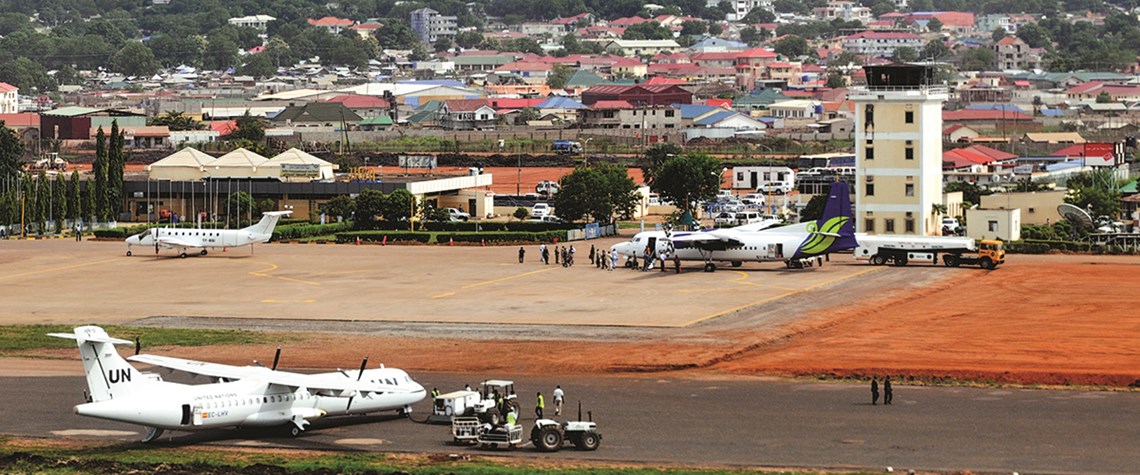
For a small-scale oil producer, South Sudan could do a lot of damage to Opec's efforts to curtail supply. Neither South Sudan nor its northern neighbour Sudan, is a member of the group-although before the former gained independence in 2011 the unified country applied to join. Now they get their chance, in spirit anyway. As part of the deal with Opec, Sudan agreed to a 4,000-barrels-a-day reduction and South Sudan to cut 8,000 b/d. Complicating the situation is the fractious relationship between the neighbours, and South Sudan's impoverished economy. It depends on oil-a source of revenue heavily reduced by factional ethnic violence, which has caused most production to be shut in, reducing exp

Also in this section
Outlook 2026
12 December 2025
The latest edition of our annual Outlook publication, titled 'The shape of energy to come: Creating unique pathways and managing shifting alliances', is available now
Canada’s Asian pivot faces hurdles
12 December 2025
The federal government is working with Alberta to improve the country’s access to Asian markets and reduce dependence on the US, but there are challenges to their plans
New Zealand is back open for business
11 December 2025
The removal of the ban on oil and gas exploration and an overhaul of the system sends all the right messages for energy security, affordability and sustainability
New Zealand’s gas horror story will haunt for years to come
10 December 2025
The economic and environmental cost of the seven-year exploration ban will be felt long after its removal

Share PDF with colleagues

COPYRIGHT NOTICE: PDF sharing is permitted internally for Petroleum Economist Gold Members only. Usage of this PDF is restricted by <%= If(IsLoggedIn, User.CompanyName, "")%>’s agreement with Petroleum Economist – exceeding the terms of your licence by forwarding outside of the company or placing on any external network is considered a breach of copyright. Such instances are punishable by fines of up to US$1,500 per infringement
Send

Forward article Link

Send
Sign Up For Our Newsletter
Project Data
Maps
Podcasts
Social Links
Featured Video
Home
  • About us
  • Subscribe
  • Reaching your audience
  • PE Store
  • Terms and conditions
  • Contact us
  • Privacy statement
  • Cookies
  • Sitemap
All material subject to strictly enforced copyright laws © 2025 The Petroleum Economist Ltd
Cookie Settings
;

Search


