


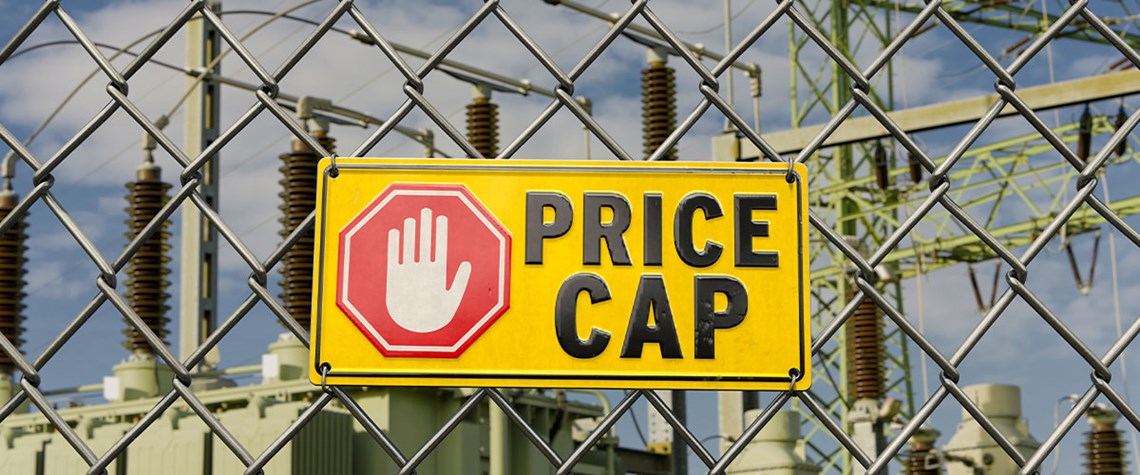
The G7 is mulling a ban on transporting Russian oil sold above a set maximum price

Why a Russian oil price cap is unlikely to work
The notion of a limit on Putin’s oil export revenue is attractive, but it will be virtually impossible to make it work in practice
Figures as influential as US treasury secretary Janet Yellen and IEA executive director Fatih Birol have taken up with some enthusiasm the G7’s late-June idea to pursue a ban on transporting Russian oil sold above a maximum price in response to the invasion of Ukraine. The thinking is that it would facilitate the flow of Russian crude to the market, keeping oil prices lower than under an embargo, but prevent the Putin regime from enjoying a revenue bonanza from continuing to export substantial volumes and benefitting from the price inflation of any real or feared reduction in Russian supply. From the perspective of the G7 leadership, it is as it close as it gets to having their cake and eati

Also in this section
1 April 2026
Golden Pass’s startup offers QatarEnergy a timely boost but may also force a difficult choice between honouring disrupted contracts and capitalising on soaring spot LNG prices
1 April 2026
It is not a case of if or when, but the length and magnitude of economic damage from elevated oil prices
1 April 2026
The US-Iran conflict demonstrates the need for diversification in several senses of the word. It also exposes the limits of Washington applying pressure on major oil and gas producers it considers geopolitical adversaries
31 March 2026
Disappointing results in its bidding round are a reality check for Libya, and global exploration generally



