


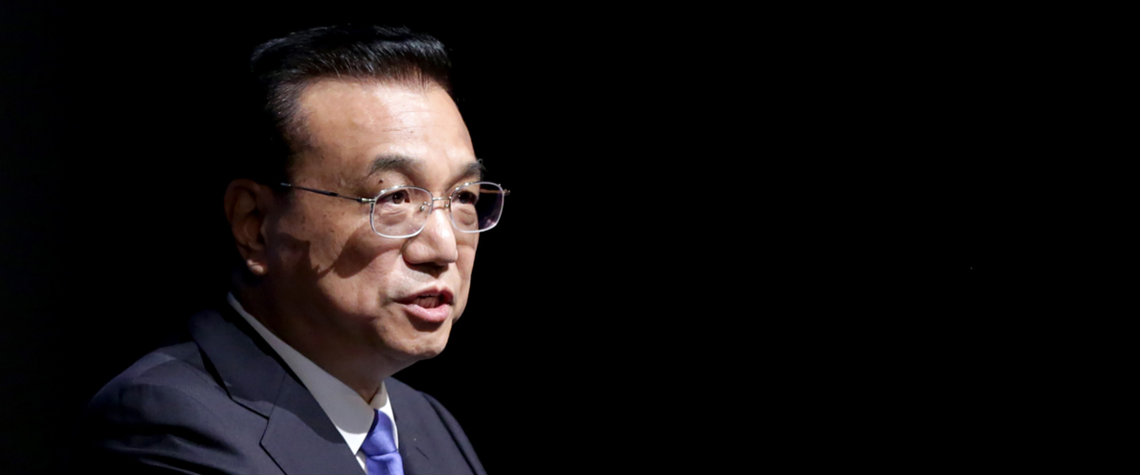
Chinese premier Li Keqiang
Beijing strives to balance security and decarbonisation
The ongoing global energy crunch underlines the difficult task facing China’s leaders in balancing energy supply security while reaching net zero in the next 40 years
The extensive power cuts in China have roiled industry over the past two months and come amid energy shortfalls in Europe, India, Pakistan and Brazil. Elsewhere power prices in Japan and South Korea have climbed in recent weeks to reflect the spike in costs for oil, LNG and coal. China’s power shortages are largely rooted in high coal prices and inflexible electricity tariffs that have not been able to reflect the rising generation costs. Renewables and China’s net-zero carbon goal have not been blamed, but the debacle has renewed a debate in policy circles over whether the near-term priority should be energy security—which would include greater production of fossil fuels alongside renewable

Also in this section
21 April 2026
After overcoming a COVID-induced demand collapse with several years of successful market management, geopolitical events have conspired to provide the pact’s biggest test to date
21 April 2026
The regime’s policy of using nuclear ambiguity as a deterrent may have failed but it has realised it has other cards to play, while its neighbours are reappraising their approach to security
21 April 2026
As the global energy system undergoes a fundamental realignment, Algihaz Holdings has established itself as a critical player bridging conventional energy markets and the next generation of renewable infrastructure.
21 April 2026
The 25th WPC Energy Congress is taking place from 11-15 October 2026 at the Riyadh Front Exhibition & Conference Center.



