


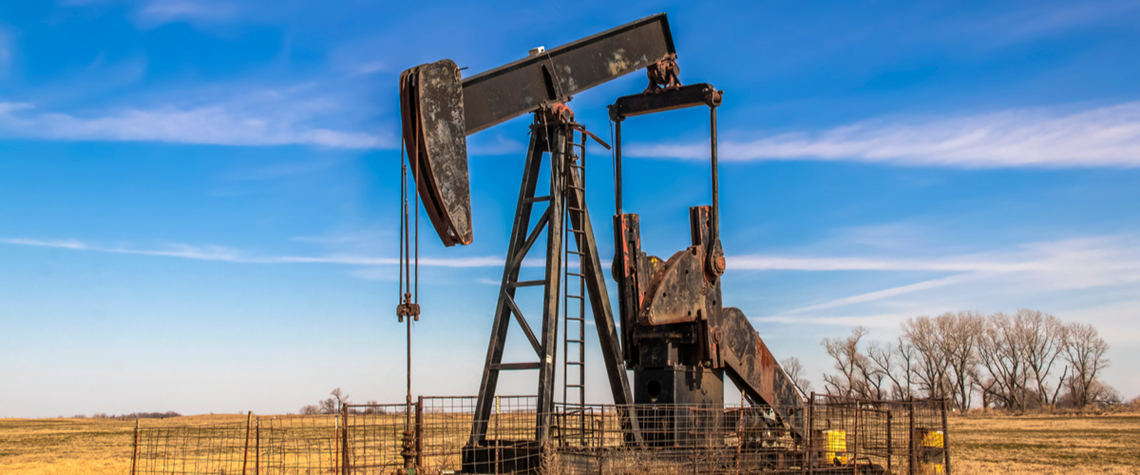
Abandoned oil wells are scattered across the US
US industry and government must work together on abandoned wells
Dealing with end-of-life oil and gas wells has costs and challenges. But a joined-up approach should also offer benefits
Millions of abandoned oil and gas wells are scattered across the US, leaking greenhouse gases (GHGs) and contaminating the local environment. A combination of tightening rules on oil companies to ensure the safe retirement of these wells and a government-funded programme to address older, undocumented wells provides a path forward. And it is one that has the potential to create employment opportunities while improving public health. Widespread problem The term abandoned wells generally refers to wells that have not recently been used for production of oil or natural gas. A well that is both abandoned and unplugged is not in use but also has not been properly sealed, or ‘plugged’, to prevent

Also in this section
1 April 2026
Golden Pass’s startup offers QatarEnergy a timely boost but may also force a difficult choice between honouring disrupted contracts and capitalising on soaring spot LNG prices
1 April 2026
It is not a case of if or when, but the length and magnitude of economic damage from elevated oil prices
1 April 2026
The US-Iran conflict demonstrates the need for diversification in several senses of the word. It also exposes the limits of Washington applying pressure on major oil and gas producers it considers geopolitical adversaries
31 March 2026
Disappointing results in its bidding round are a reality check for Libya, and global exploration generally



