


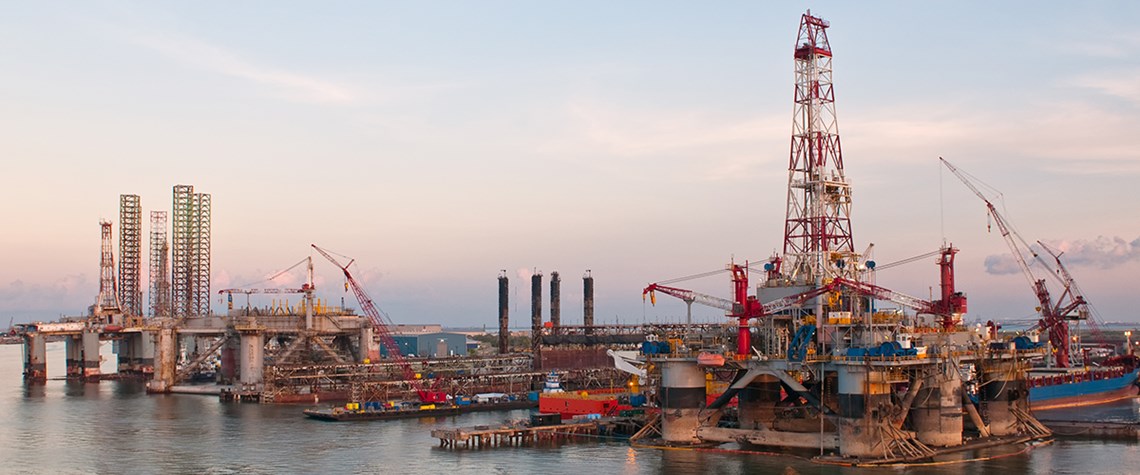
Decommissioning faces a hefty clean-up bill
The industry will spend tens of billions of dollars closing down old offshore fields
The global decommissioning market is yet to take off fully. But as provinces mature, as fields near the end of their life, companies are preparing for the inevitable. They are scrutinising their decommissioning plans, the regulatory and fiscal regimes governing decommissioning and the costs of completing that work. The oil-price crash has made the task more urgent. In mature regions like the UK, higher oil prices allowed mature fields to keep producing beyond their expected economic life, but the price drop brought the day of reckoning nearer. Over the past five years, almost 500 offshore fields globally have ceased production, with that number expected to rise to 735 fields from 2018 to 202

Also in this section
1 April 2026
Golden Pass’s startup offers QatarEnergy a timely boost but may also force a difficult choice between honouring disrupted contracts and capitalising on soaring spot LNG prices
1 April 2026
It is not a case of if or when, but the length and magnitude of economic damage from elevated oil prices
1 April 2026
The US-Iran conflict demonstrates the need for diversification in several senses of the word. It also exposes the limits of Washington applying pressure on major oil and gas producers it considers geopolitical adversaries
31 March 2026
Disappointing results in its bidding round are a reality check for Libya, and global exploration generally



