


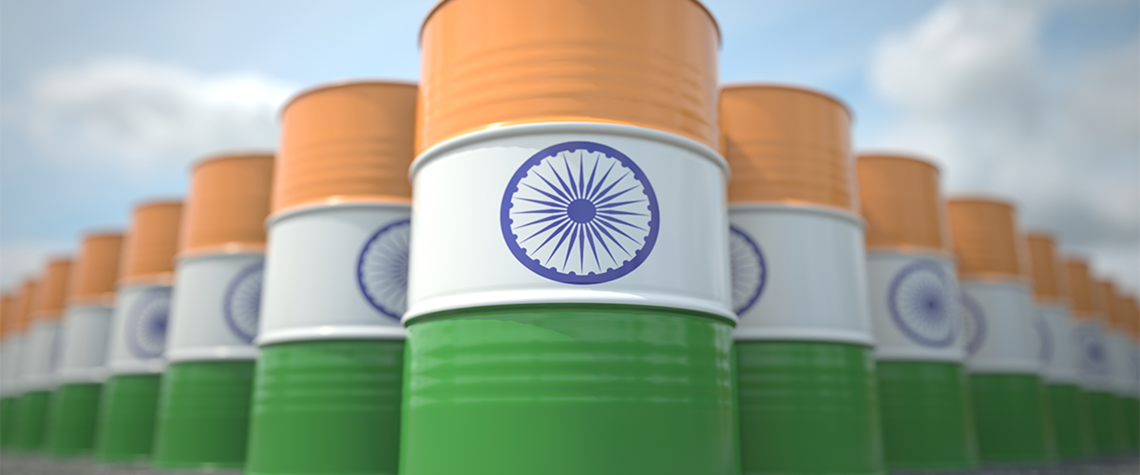
New Delhi has looked to quicken the development of India’s SPR
India’s SPRs could be too little, too late
A greater focus on oil security may not be enough to deliver a comprehensive strategy for the net importer’s strategic petroleum reserves
Uncertainty about the availability and price of crude oil during the last 18 months has prompted governments across the world to take steps to safeguard their energy security. Countries such as India, which are highly dependent on imports for their energy requirements, are extra conscious of the need for oil buffers. New Delhi has looked to quicken the development of India’s strategic petroleum reserve (SPR), including speeding up land acquisition and construction at two new sites and scouting for a fifth location to increase the SPR’s overall designed capacity. The country was late in setting up an SPR, with the last of the units in the first phase of development coming online just five yea

Also in this section
1 April 2026
Golden Pass’s startup offers QatarEnergy a timely boost but may also force a difficult choice between honouring disrupted contracts and capitalising on soaring spot LNG prices
1 April 2026
It is not a case of if or when, but the length and magnitude of economic damage from elevated oil prices
1 April 2026
The US-Iran conflict demonstrates the need for diversification in several senses of the word. It also exposes the limits of Washington applying pressure on major oil and gas producers it considers geopolitical adversaries
31 March 2026
Disappointing results in its bidding round are a reality check for Libya, and global exploration generally



