


Newsletters | Request Trial | Log in | Advertise | Digital Issue   |   Search
  • Upstream
  • Midstream & Downstream
  • Gas & LNG
  • Trading & Markets
  • Corporate & Finance
  • Geopolitics
  • Podcasts
Search
Related Articles
Outlook 2026: Time for a new international energy order
With the arrival of a multipolar world and 4b energy-poor people, the existing energy order is no longer fit for purpose
Outlook 2026: Crude on crude – How shale oil flipped the script on the global barrel
Heavy, sour crude and shale oil will battle for market relevance, but it may not be the sweetest barrels that taste victory
Outlook 2026: LNG markets and the overhang
A third wave of LNG supply is coming, and with it a likely oversupply of the fuel by 2028
Outlook 2026: The next oil shock – From peak demand mirage to structural tightness
Oil prices look set to come under pressure next year as oversupply hits, but longer-term the risk is underinvestment as demand continues to grow past 2030
OPEC presses pause
The group’s oil production declined in November, our latest analysis finds, amid divided sentiment over market balances and geopolitical jitters
Learning from oil’s supercycle miss
Mistaken assumptions around an oil bull run that never happened are a warning over the talk of a supply glut
Letter from London: Oil’s golden triangle
The interplay between OPEC+, China and the US will define oil markets throughout 2026
The complex crude glut picture
The swelling crude supply story involves the key plot twists of reluctant buyers, limited oil stocks and refiners playing the long game
Alberta’s energy hub sees silver lining
US tariffs bolster Alberta’s Industrial Heartland exports to Asia
The curious case of oil-on-water
The market is facing being drowned in excess crude, but one caveat is that a large chunk is due to buyers reluctant to snap up sanctioned barrels
China has also benefitted from buying discounted sanctioned crude
Asia China Markets
Shi Weijun
Shanghai
21 December 2023
Follow @PetroleumEcon
Forward article link
Share PDF with colleagues

Asia’s changing oil market landscape

Chinese demand is at the forefront of shifting oil contours for Asia for 2024 and beyond

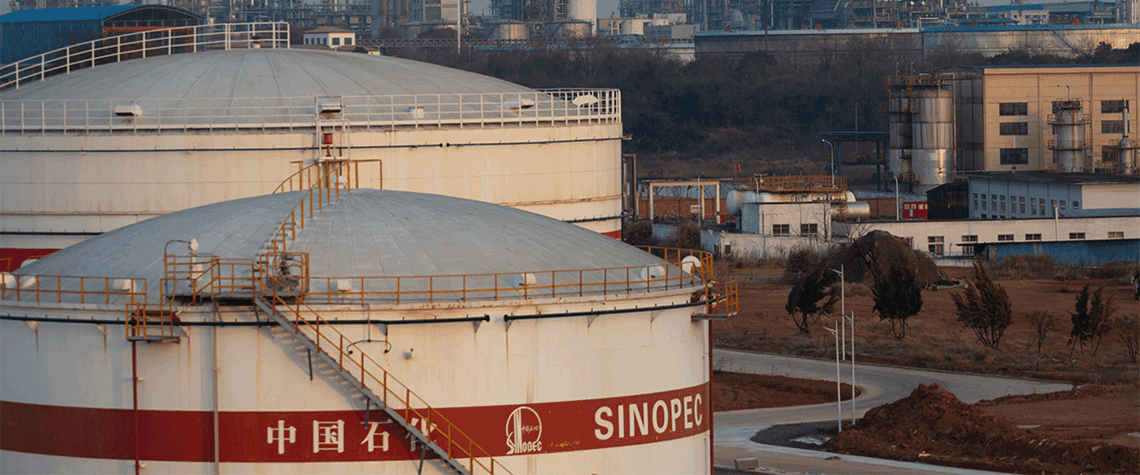
Asian oil markets are poised for a shake-up, as a diverse mix of global supply and demand factors—ranging from a slowdown in Chinese imports to new supply developments influencing where Japanese and Korean buyers source volumes—come into play in the months ahead to potentially reshape long-term trends in the region. China features prominently on the list of uncertainties in the final weeks of 2023 and heading into the new year. Chinese demand has been the biggest driver of the relative oil price strength, with imports expanding by 1.6m b/d year-on-year so far in 2023, to 10.9m b/d, but they are set to trend lower in the final quarter, falling from an average of 11.4m b/d in the first half of

Also in this section
Southeast Asia’s digital age requires the right energy mix
8 January 2026
Indonesia and Malaysia are at the dawn of breathtaking digital capabilities. Their energy infrastructure must keep up with their ambitions
Outlook 2006: The North Sea’s next chapter – From backbone to blueprint
Outlook 2026
8 January 2026
The next five years will be critical for the North Sea, and it will be policy not geology that will decide the basin’s future
Outlook 2026: APAC is steadily growing and supporting its biofuels industry
Outlook 2026
8 January 2026
The region’s access to versatile feedstock, combined with policy support, is setting it up to meet growing demand both at home and abroad
Letter from Dubai: Unsung hero gas finds its voice
Opinion
7 January 2026
No longer can the energy source be considered a sidekick to oil in the Middle East and neither should it step aside for less convincing alternatives

Share PDF with colleagues

COPYRIGHT NOTICE: PDF sharing is permitted internally for Petroleum Economist Gold Members only. Usage of this PDF is restricted by <%= If(IsLoggedIn, User.CompanyName, "")%>’s agreement with Petroleum Economist – exceeding the terms of your licence by forwarding outside of the company or placing on any external network is considered a breach of copyright. Such instances are punishable by fines of up to US$1,500 per infringement
Send

Forward article Link

Send
Sign Up For Our Newsletter
Project Data
Maps
Podcasts
Social Links
Featured Video
Home
  • About us
  • Subscribe
  • Reaching your audience
  • PE Store
  • Terms and conditions
  • Contact us
  • Privacy statement
  • Cookies
  • Sitemap
All material subject to strictly enforced copyright laws © 2025 The Petroleum Economist Ltd
Cookie Settings
;

Search


