


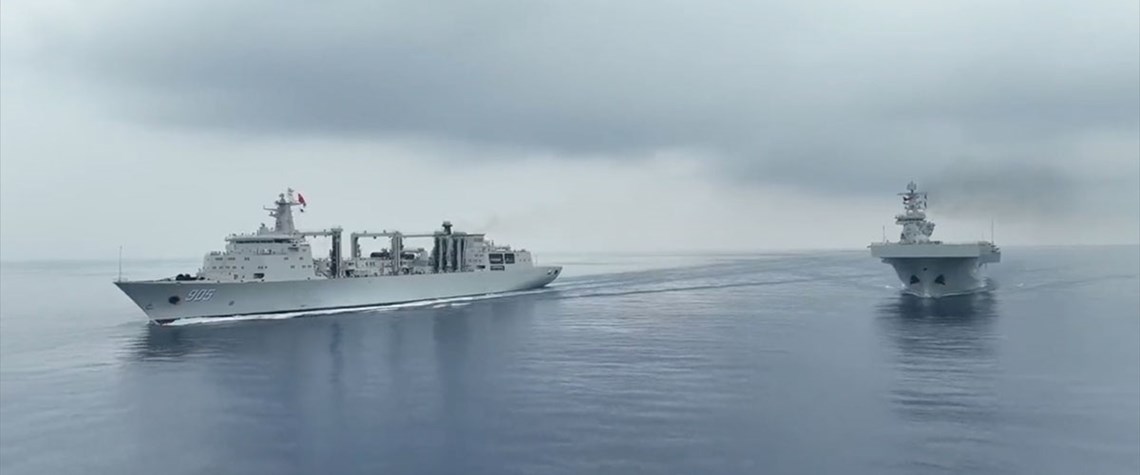
China has performed its most aggressive military drills near Taiwan in decades
Letter from China: Taiwan tensions expose energy risks
China’s heavy reliance on energy imports means it too would be vulnerable in the event of armed confrontation
The US and China managed to avoid armed confrontation last week after House Speaker Nancy Pelosi’s visit to Taiwan, but the highly charged incident underlined the risks to global energy security should a war break out between the world’s two superpowers over what Beijing calls its “renegade province”. No issue has the potential to sour US-China relations more than Taiwan, which Beijing considers part of its territory and wants to reclaim—by force if necessary. Tensions were high as the US Air Force jet carrying Pelosi landed in Taiwan’s capital of Taipei last Tuesday, marking the first visit to the democratically ruled island by a House speaker in 25 years. Pelosi met Taiwanese leaders inclu

Also in this section
1 April 2026
Golden Pass’s startup offers QatarEnergy a timely boost but may also force a difficult choice between honouring disrupted contracts and capitalising on soaring spot LNG prices
1 April 2026
It is not a case of if or when, but the length and magnitude of economic damage from elevated oil prices
1 April 2026
The US-Iran conflict demonstrates the need for diversification in several senses of the word. It also exposes the limits of Washington applying pressure on major oil and gas producers it considers geopolitical adversaries
31 March 2026
Disappointing results in its bidding round are a reality check for Libya, and global exploration generally



