


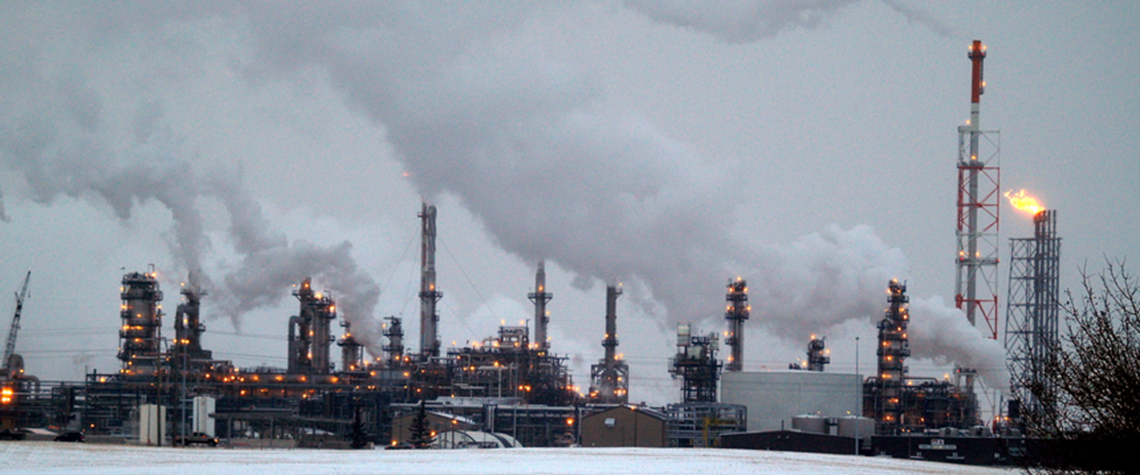
A refinery in Alberta
IEA calls for Canadian emissions reduction action
The country’s oil and gas sector is a culprit in disappointing delivery despite good policymaking
The IEA has lauded Canada’s leadership in policies to cut greenhouse gas (GHG) emissions, including its increasingly aggressive reduction targets and high and rising national carbon tax. But it also implicitly criticises the country for a lack of progress in reducing its national emissions to date. And a major reason for Canada’s failure to reduce national emissions since 2005—when they stabilised at c.730mn t after jumping over a third from 1990 levels—is continuing growth of the country’s oil and gas production, concludes the IEA’s mid-January report, Canada 2022: Energy Policy Review. This has basically negated emissions reductions elsewhere in the Canadian economy over that period, despi

Also in this section
21 April 2026
After overcoming a COVID-induced demand collapse with several years of successful market management, geopolitical events have conspired to provide the pact’s biggest test to date
21 April 2026
The regime’s policy of using nuclear ambiguity as a deterrent may have failed but it has realised it has other cards to play, while its neighbours are reappraising their approach to security
21 April 2026
As the global energy system undergoes a fundamental realignment, Algihaz Holdings has established itself as a critical player bridging conventional energy markets and the next generation of renewable infrastructure.
21 April 2026
The 25th WPC Energy Congress is taking place from 11-15 October 2026 at the Riyadh Front Exhibition & Conference Center.



