


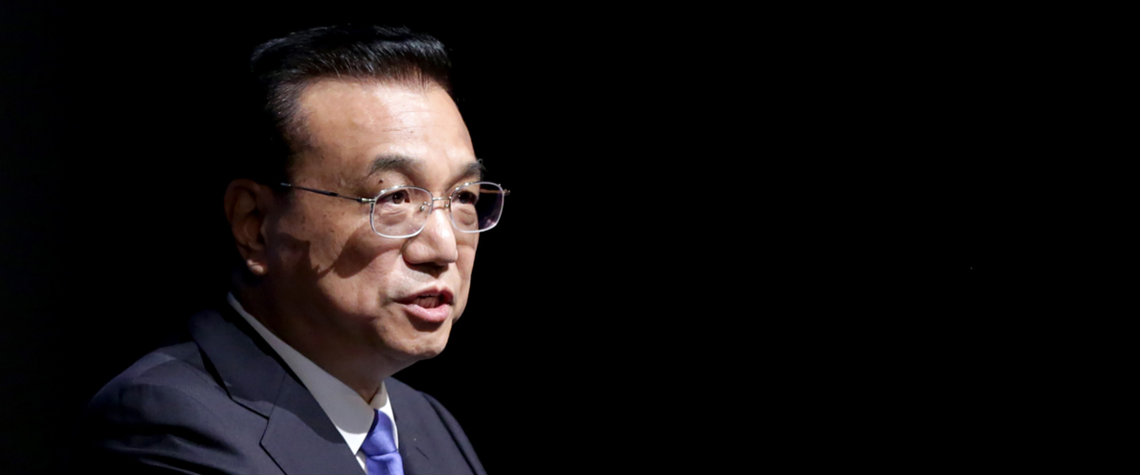
Chinese premier Li Keqiang
Beijing strives to balance security and decarbonisation
The ongoing global energy crunch underlines the difficult task facing China’s leaders in balancing energy supply security while reaching net zero in the next 40 years
The extensive power cuts in China have roiled industry over the past two months and come amid energy shortfalls in Europe, India, Pakistan and Brazil. Elsewhere power prices in Japan and South Korea have climbed in recent weeks to reflect the spike in costs for oil, LNG and coal. China’s power shortages are largely rooted in high coal prices and inflexible electricity tariffs that have not been able to reflect the rising generation costs. Renewables and China’s net-zero carbon goal have not been blamed, but the debacle has renewed a debate in policy circles over whether the near-term priority should be energy security—which would include greater production of fossil fuels alongside renewable

Also in this section
1 April 2026
Golden Pass’s startup offers QatarEnergy a timely boost but may also force a difficult choice between honouring disrupted contracts and capitalising on soaring spot LNG prices
1 April 2026
It is not a case of if or when, but the length and magnitude of economic damage from elevated oil prices
1 April 2026
The US-Iran conflict demonstrates the need for diversification in several senses of the word. It also exposes the limits of Washington applying pressure on major oil and gas producers it considers geopolitical adversaries
31 March 2026
Disappointing results in its bidding round are a reality check for Libya, and global exploration generally



