


US majors’ planned Caspian exit puts Baku in a bind
Azerbaijan may find it much tougher to find investment after the departure of Chevron and ExxonMobil
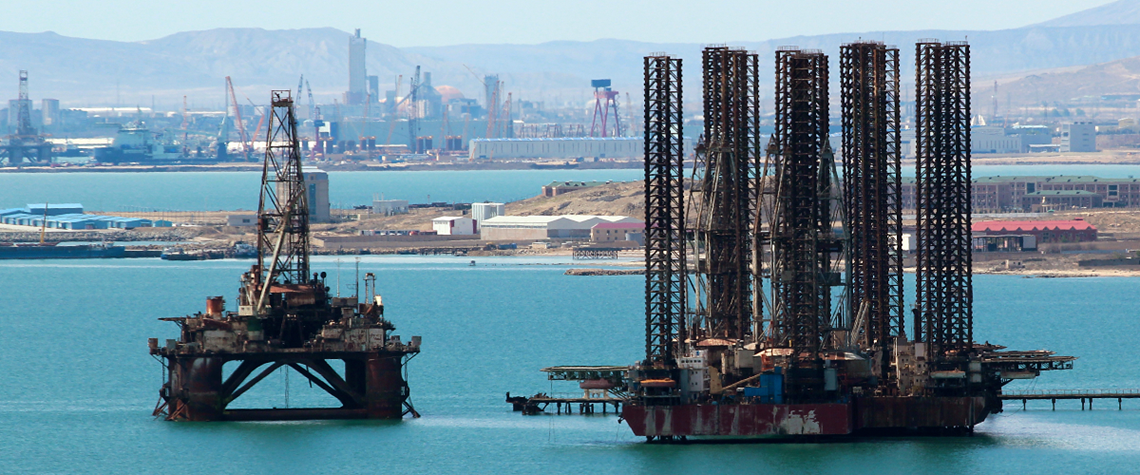
The start of commercial gas deliveries to Turkey from the Shah Deniz 2 field last July imbued Azerbaijan's hydrocarbons sector with a sense of positivity. But 2018 ended on a downbeat note when reports emerged that Chevron and ExxonMobil intended to withdraw from the largest Caspian oilfield development, Azeri-Chirag-Deepwater Gunashli (ACG). The planned exit of these US majors comes at a tricky time for the Azeri government. Baku needs to maintain the flow of investment into exploration and production at a time when political risk in the Caspian region is mounting. This is due, in part, to the intensified sanctions squeeze being imposed on neighbour Iran by the administration of US presiden

Also in this section
1 April 2026
Golden Pass’s startup offers QatarEnergy a timely boost but may also force a difficult choice between honouring disrupted contracts and capitalising on soaring spot LNG prices
1 April 2026
It is not a case of if or when, but the length and magnitude of economic damage from elevated oil prices
1 April 2026
The US-Iran conflict demonstrates the need for diversification in several senses of the word. It also exposes the limits of Washington applying pressure on major oil and gas producers it considers geopolitical adversaries
31 March 2026
Disappointing results in its bidding round are a reality check for Libya, and global exploration generally



