


Transition time in the Gulf
Fearful of American shale and electric cars, GCC states want to lessen their oil-revenue dependence
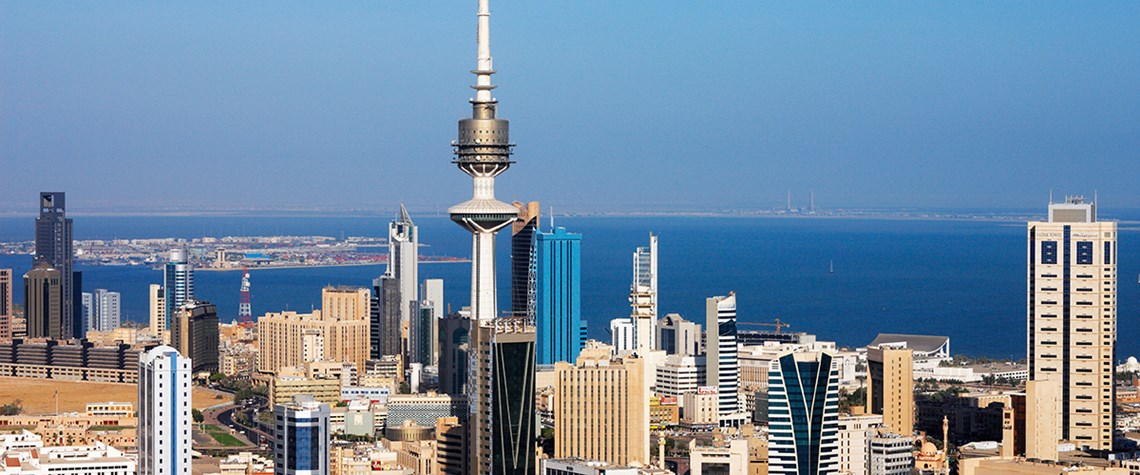
Kuwait has become the latest Gulf state to launch an ambitious plan to diversify its economy away from dependence on oil. "New Kuwait", a development strategy up to 2035, comes hard on the heels of Saudi Arabia's Vision 2030, launched in 2016. Among the aims of New Kuwait is to boost foreign-direct investment and expand the role of the private sector. Planned mega-projects in the coming decades aim to more than triple the country's revenue, from KD13bn ($42bn) to KD35bn, in 2035. That Gulf Cooperation Council (GCC) states need to move away from a reliance on income from hydrocarbons has been obvious for years, and the collapse of oil prices after 2014 has only reinforced that. Kuwait's lates

Also in this section
21 April 2026
After overcoming a COVID-induced demand collapse with several years of successful market management, geopolitical events have conspired to provide the pact’s biggest test to date
21 April 2026
The regime’s policy of using nuclear ambiguity as a deterrent may have failed but it has realised it has other cards to play, while its neighbours are reappraising their approach to security
21 April 2026
As the global energy system undergoes a fundamental realignment, Algihaz Holdings has established itself as a critical player bridging conventional energy markets and the next generation of renewable infrastructure.
21 April 2026
The 25th WPC Energy Congress is taking place from 11-15 October 2026 at the Riyadh Front Exhibition & Conference Center.



