


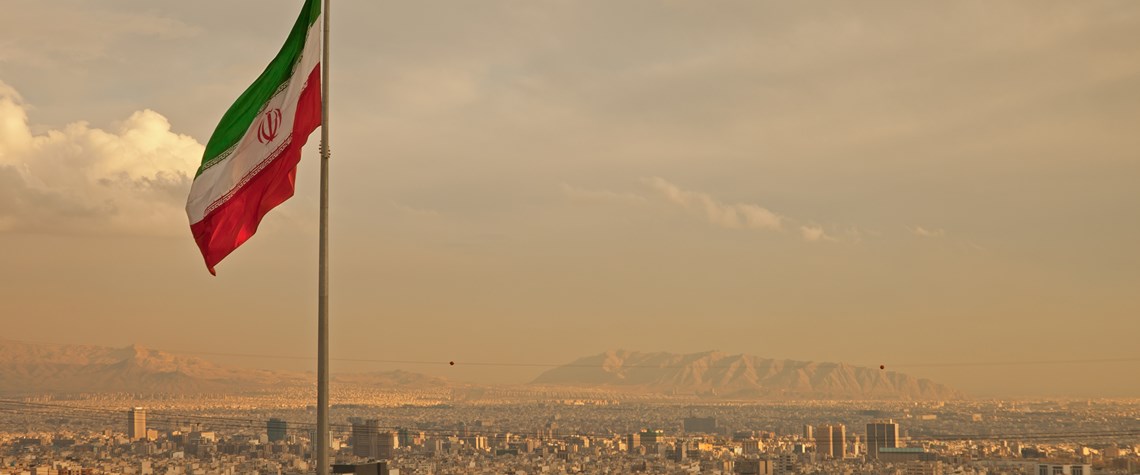
Iran deals: The devil's in the details
Firms contemplating business in the country must still cross a minefield of complex US regulations
In January 2016, after the nuclear deal, the US lifted many sanctions on Iran, allowing non-US companies and foreign subsidiaries of US firms to resume business there. Some firms have found eager Iranian buyers for their products, particularly in the petrochemical and extractive industries. But many have ignored mandatory US Securities and Exchange Commission (SEC) reporting requirements that can be triggered by legal dealings with Iran. The lifting of sanctions didn't mean carte blanche authorisation for all Iran business. Non-US companies can still be penalised by the US if they transact with blacklisted Specially Designated National (SDN) Iranian firms, entities, or individuals. This requ

Also in this section
1 April 2026
Golden Pass’s startup offers QatarEnergy a timely boost but may also force a difficult choice between honouring disrupted contracts and capitalising on soaring spot LNG prices
1 April 2026
It is not a case of if or when, but the length and magnitude of economic damage from elevated oil prices
1 April 2026
The US-Iran conflict demonstrates the need for diversification in several senses of the word. It also exposes the limits of Washington applying pressure on major oil and gas producers it considers geopolitical adversaries
31 March 2026
Disappointing results in its bidding round are a reality check for Libya, and global exploration generally



