


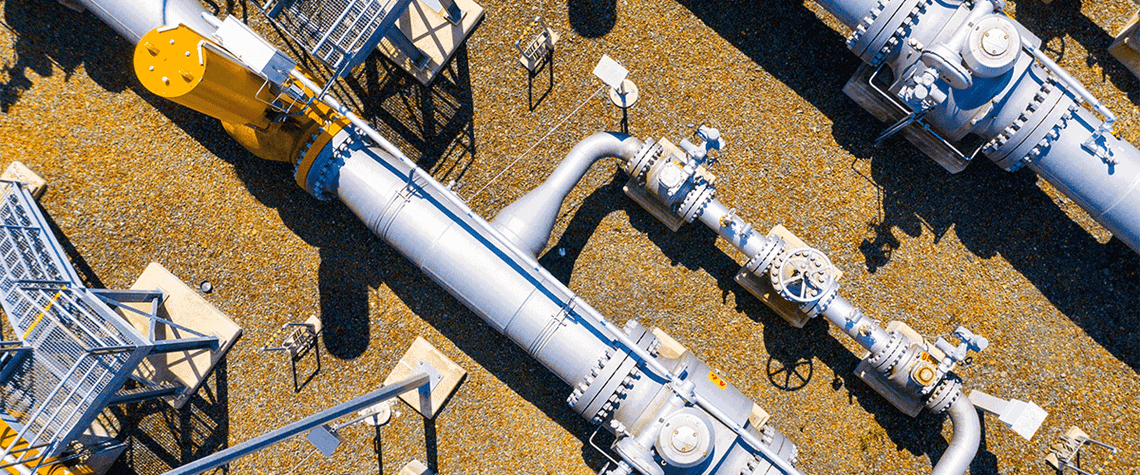
Outlook 2024: The evolution of gas infrastructure
In the ever-changing landscape of global energy, the European gas infrastructure is undergoing a remarkable transformation, poised to play a pivotal role in shaping Europe’s energy future
Recent global events have underscored how geopolitical challenges can disrupt gas supply chains, reinforcing Europe’s need to enhance its energy independence. The keys to overcoming such crises are diversification and adaptability. EU member states have taken strategic steps to diversify their gas supply sources and routes. Recognising the critical role of gas infrastructure operators in preserving energy security during challenging times, the European Commission initiated REPowerEU. This initiative aimed to meet storage filling targets and streamline permitting processes for LNG terminals and FSRUs, enabling rapid responses to evolving energy supply needs. This includes expanding import cap

Also in this section
1 April 2026
Golden Pass’s startup offers QatarEnergy a timely boost but may also force a difficult choice between honouring disrupted contracts and capitalising on soaring spot LNG prices
1 April 2026
It is not a case of if or when, but the length and magnitude of economic damage from elevated oil prices
1 April 2026
The US-Iran conflict demonstrates the need for diversification in several senses of the word. It also exposes the limits of Washington applying pressure on major oil and gas producers it considers geopolitical adversaries
31 March 2026
Disappointing results in its bidding round are a reality check for Libya, and global exploration generally



