


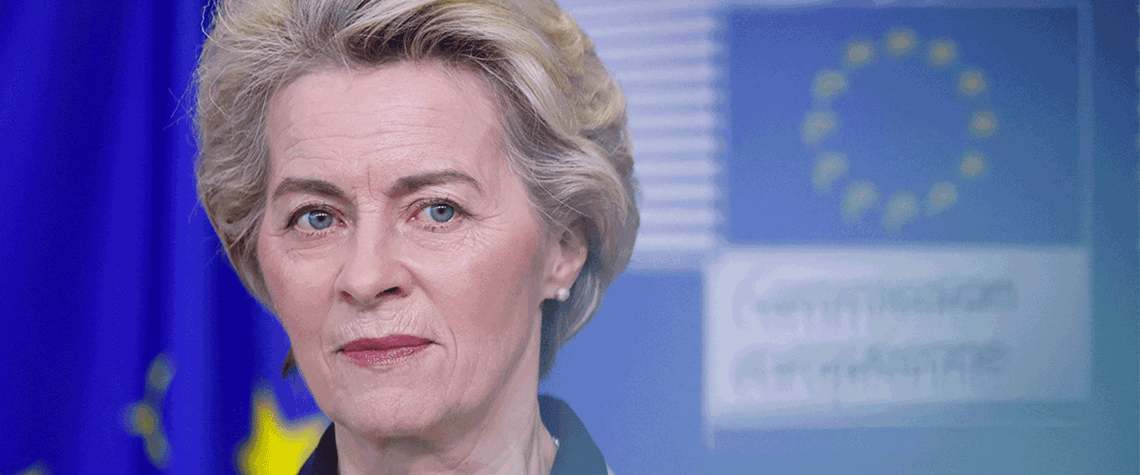
European Commission president Ursula von der Leyen
Europe’s confidence on gas may be premature
The region has made significant progress on reducing exposure to Russian gas, but despite rosy assessments by politicians, challenges remain
An unusually warm winter has helped Europe reduce its gas consumption significantly while aggressive spending has allowed most of the continent to improve its LNG regasification and pipeline infrastructure. However, major uncertainties loom over planned supply increases and demand reductions alike, and it is much too early to claim Europe has weaned itself off its heavy dependence on Russian energy. “Today, one year after the war began, [Russian president Vladimir Putin] has already lost the energy war he started,” announced Ursula von der Leyen, the president of the European Commission, in mid-February. “With European unity and a smart energy policy, we have withstood Russian pressure and f

Also in this section
1 April 2026
Golden Pass’s startup offers QatarEnergy a timely boost but may also force a difficult choice between honouring disrupted contracts and capitalising on soaring spot LNG prices
1 April 2026
It is not a case of if or when, but the length and magnitude of economic damage from elevated oil prices
1 April 2026
The US-Iran conflict demonstrates the need for diversification in several senses of the word. It also exposes the limits of Washington applying pressure on major oil and gas producers it considers geopolitical adversaries
31 March 2026
Disappointing results in its bidding round are a reality check for Libya, and global exploration generally



