


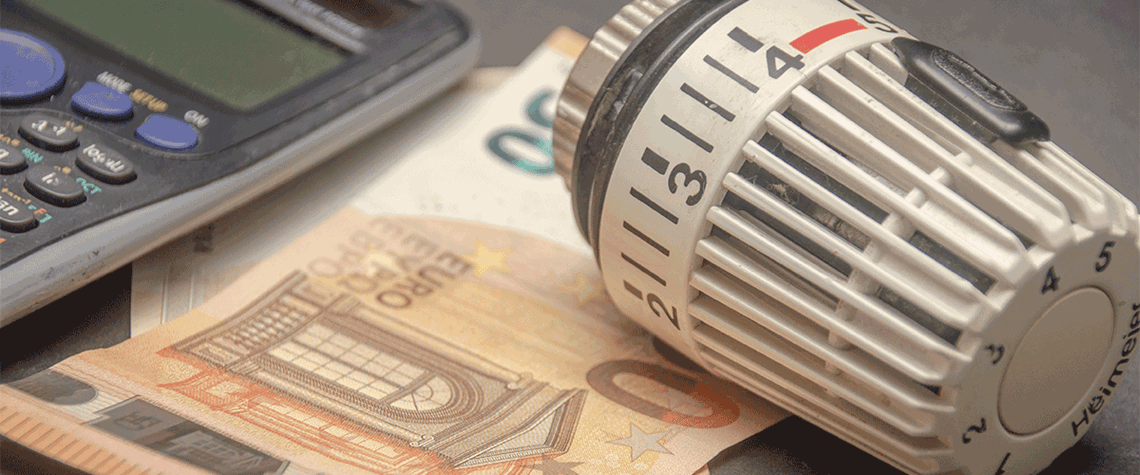
National subsidy schemes varied considerably in scope and duration
Europe counts cost of uncoordinated energy strategy
Calls for EU to reflect on gas subsidy bill of €700bn as common purchase mechanism approaches
Europe is entering spring collectively celebrating having averted the major gas crisis that had been predicted over the winter and preparing to launch a common gas purchasing platform expected to further reduce its dependence on Russia. Yet its energy policies—particularly the steep bill for gas subsidies disbursed over the past year—are also coming under scrutiny, with experts saying better coordination between national bodies is necessary as well as more policies to help Europeans face the transition to renewable energy. “Over the past months, EU member states have been involved in a race to subsidise. Gas supply was limited, and hence the main effect of [the subsidies was to drive competi

Also in this section
1 April 2026
Golden Pass’s startup offers QatarEnergy a timely boost but may also force a difficult choice between honouring disrupted contracts and capitalising on soaring spot LNG prices
1 April 2026
It is not a case of if or when, but the length and magnitude of economic damage from elevated oil prices
1 April 2026
The US-Iran conflict demonstrates the need for diversification in several senses of the word. It also exposes the limits of Washington applying pressure on major oil and gas producers it considers geopolitical adversaries
31 March 2026
Disappointing results in its bidding round are a reality check for Libya, and global exploration generally



