


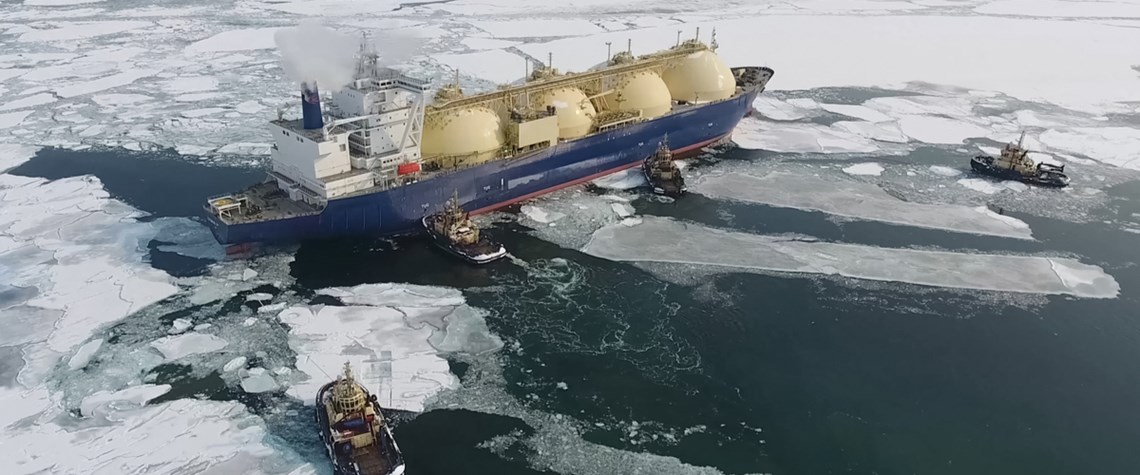
LNG shipping set for more challenges
The sector may have seen a more rational 2020 so far. But that is no guarantee it has learnt its lessons
Some capital discipline appears to have materialised—or perhaps been forced on to ship owners—in the LNG shipping sector in 2020, after several years of subpar returns, deeply depressed share prices and general angst. But there remain significant risks to calling any definitive return to better times. LNG shipping has over the past 10-15 years transitioned from a floating pipeline market to a more commoditised, increasingly spot-orientated business more similar to the crude tanker market. The combination of an increased number of LNG buyers and sellers and a knife fight to win long-term contracts led to ship owners increasingly being willing to accept: 1) building on a speculative basis i

Also in this section
21 April 2026
After overcoming a COVID-induced demand collapse with several years of successful market management, geopolitical events have conspired to provide the pact’s biggest test to date
21 April 2026
The regime’s policy of using nuclear ambiguity as a deterrent may have failed but it has realised it has other cards to play, while its neighbours are reappraising their approach to security
21 April 2026
As the global energy system undergoes a fundamental realignment, Algihaz Holdings has established itself as a critical player bridging conventional energy markets and the next generation of renewable infrastructure.
21 April 2026
The 25th WPC Energy Congress is taking place from 11-15 October 2026 at the Riyadh Front Exhibition & Conference Center.



