


Pricing up and down
A trend towards increased spot sales and more flexible contracts is keeping the global LNG industry on its toes
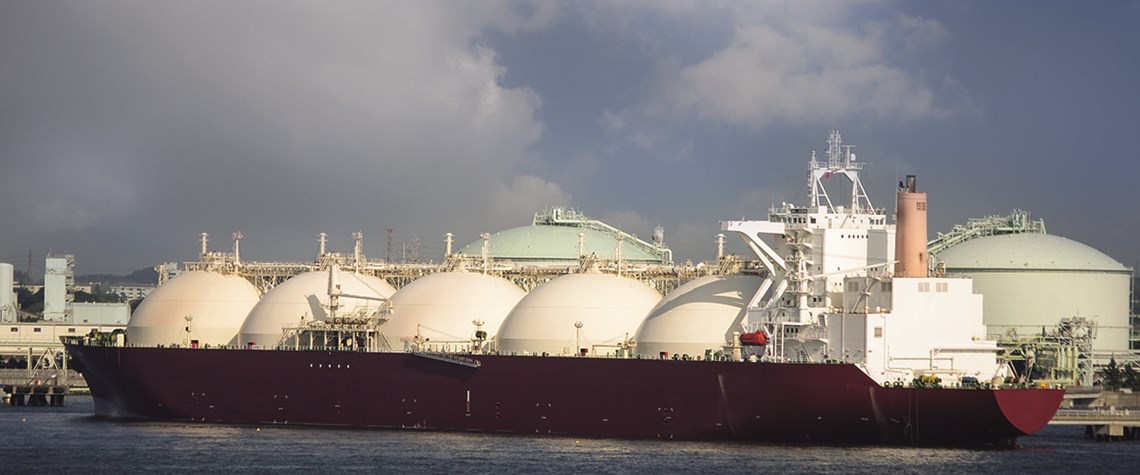
The rollercoaster ride in oil and liquefied natural gas prices since 2014 has shaken up previously staid LNG pricing mechanisms and contract terms. Buyer aggressiveness; the emergence of international trading companies as significant market participants; and the growing US role in LNG supply have all affected contract structures. But market participants say the evolution towards a world price for traded gas still has some way to run. Japan is the world's largest single LNG destination and the lynchpin of the Asia-Pacific LNG market, accounting for 73% of world imports, according to the International Group of LNG Importers. Since 2014, the spot price of LNG delivered to Japan has swung betwee

Also in this section
1 April 2026
Golden Pass’s startup offers QatarEnergy a timely boost but may also force a difficult choice between honouring disrupted contracts and capitalising on soaring spot LNG prices
1 April 2026
It is not a case of if or when, but the length and magnitude of economic damage from elevated oil prices
1 April 2026
The US-Iran conflict demonstrates the need for diversification in several senses of the word. It also exposes the limits of Washington applying pressure on major oil and gas producers it considers geopolitical adversaries
31 March 2026
Disappointing results in its bidding round are a reality check for Libya, and global exploration generally



