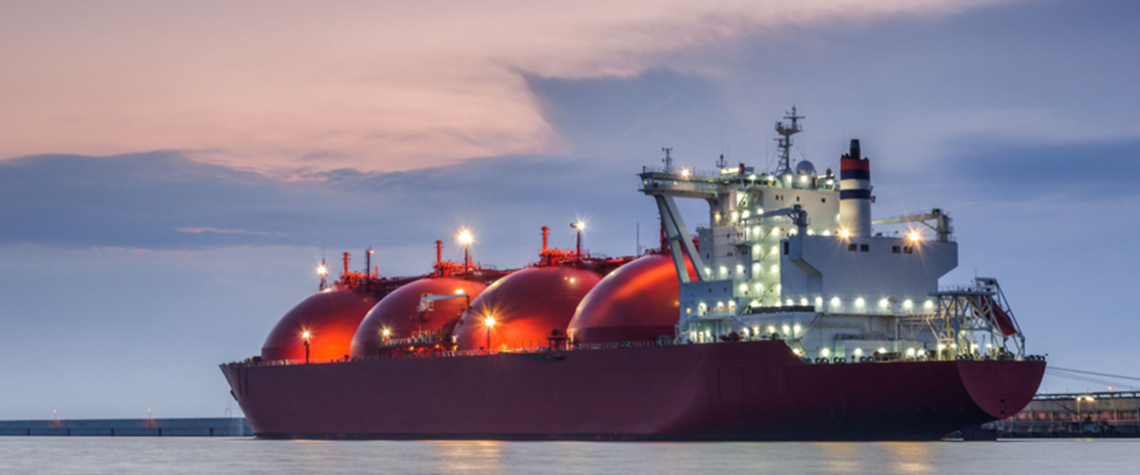
The development of the LNG value chain is a useful lesson
Transitioning the maritime sector to a greener future
Shipping is set for a key role transporting green fuels such as hydrogen, but all stakeholders must work together to de-risk development of the value chain, says chair of Clean Energy Marine Hubs initiative
With net-zero targets high on the world’s agenda, the race is on to identify the new green fuels of the future. The shipping industry will play a huge role in transporting these fuels, but the entire energy value chain must come together to put the appropriate infrastructure in place, align market incentives and make these targets a reality to achieve a decarbonised future not just for shipping, but for the whole world. The Clean Energy Marine Hubs (CEM Hubs) initiative is bringing together these stakeholders—from energy producers, investment institutions, ports and shipowners to governments—to break down silos and has created a platform for collaboration to de-risk the development of the ma

Also in this section
25 March 2026
The Middle East energy shock has highlighted the value of France’s unique potential to deploy nuclear-powered electrolysers
18 March 2026
The second fossil-fuel price shock in four years can be a much-needed catalyst for investment in the sector
9 March 2026
Hydrogen has not stalled in the UK because the technology does not work. The problem is that the system around it does not yet move at the speed required
4 March 2026
Turmoil in Middle East reminds nascent clean hydrogen sector that its future prospects are dependent on global energy markets and geopolitics