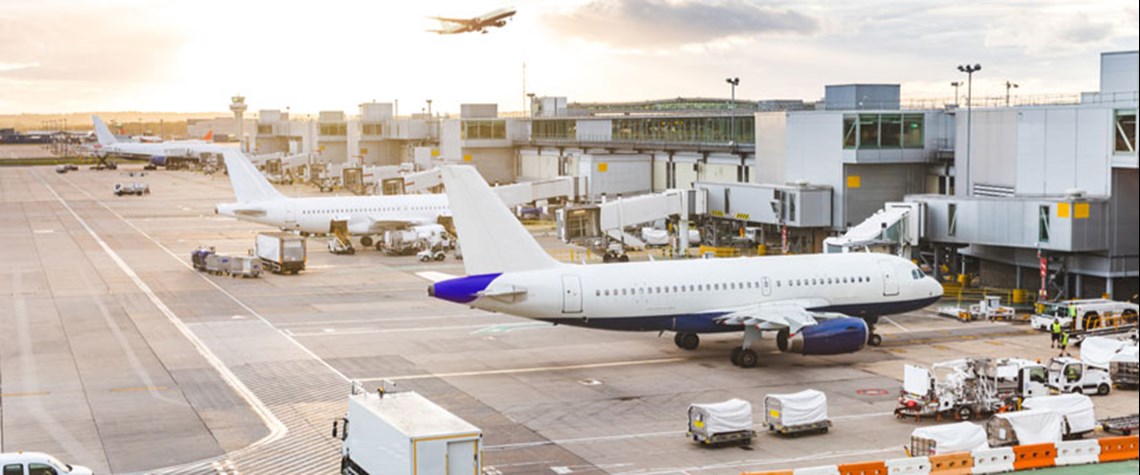
A concerted effort by all stakeholders will be needed to decarbonise aviation
Aviation decarbonisation set for takeoff
Energy efficiency improvements and use of sustainable aviation fuel seen as key to cutting emissions by 2050
The global aviation industry has a long way to go to meet its commitment to slash carbon dioxide (CO₂) emissions to half of 2005 levels by mid-century, let alone its ultimate goal of net-zero emissions. But the industry is optimistic it can achieve deep decarbonisation over the next three decades, Robert Boyd, assistant director and head of sustainable aviation at the Geneva-based trade group the International Air Transport Association (IATA), tells Transition Economist. IATA represents almost 300 airlines worldwide. The industry has been laying the groundwork since 2009, when it was the first to commit to large emission reductions on a global scale, while technological advancement has been

Also in this section
1 April 2026
Emerging industry must work with policymakers to convince a broader pool of investors to buy into its long-term potential
12 March 2026
Role of world’s largest carbon cap-and-trade market under scrutiny as war in Iran threatens to drive EU energy costs to unsustainable levels
10 March 2026
Europe urgently needs to bring more projects to FID, as CCS investors warn they might divert capital to faster-growing regions
9 January 2026
A shift in perspective is needed on the carbon challenge, the success of which will determine the speed and extent of emissions cuts and how industries adapt to the new environment