


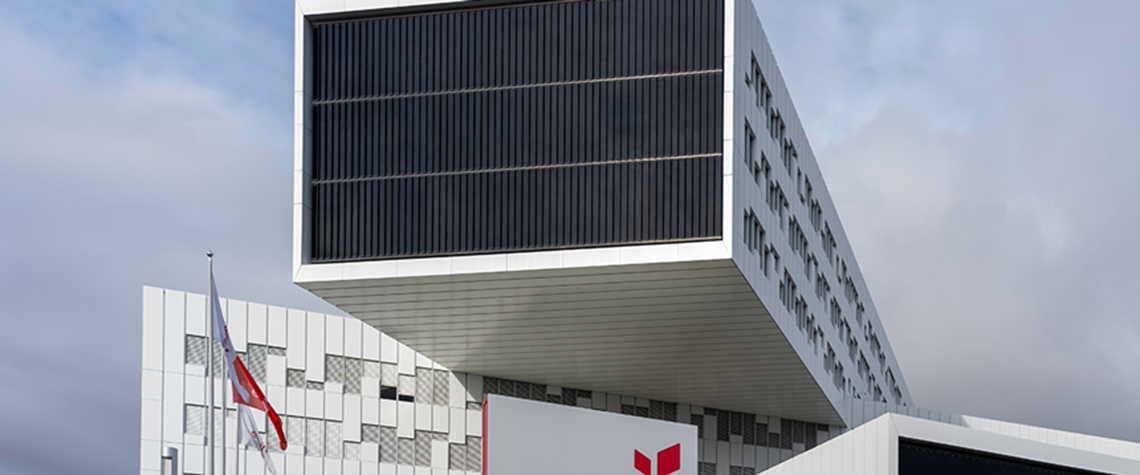
Equinor's headquarters in Oslo
Equinor streamlines its offshore strategy
Exploration is providing mixed fortunes for IOCs amid higher costs, prompting firms to look towards M&A and safer plays
Norway’s Equinor has seen mixed fortunes from its offshore exploration in recent months, exemplifying a trend among IOCs that has seen recent high-profile successes coming alongside failures and setbacks—serving as a reminder that offshore exploration is risky. Domestically, Equinor’s exploration efforts in 2024 include drilling a dry hole at Harden sor, the sixth well to be drilled in production licence (PL) 248C in the Norwegian North Sea. This was followed by the firm delineating the Heisenberg oil and gas discovery in wells 35/10-11 S and A and also proving the presence of oil in the Hummer prospect—the first and second wells drilled in PL 827 SB. “Equinor’s performance in Norway has gen

Also in this section
1 April 2026
Golden Pass’s startup offers QatarEnergy a timely boost but may also force a difficult choice between honouring disrupted contracts and capitalising on soaring spot LNG prices
1 April 2026
It is not a case of if or when, but the length and magnitude of economic damage from elevated oil prices
1 April 2026
The US-Iran conflict demonstrates the need for diversification in several senses of the word. It also exposes the limits of Washington applying pressure on major oil and gas producers it considers geopolitical adversaries
31 March 2026
Disappointing results in its bidding round are a reality check for Libya, and global exploration generally



