


Iraq aims to lift nationwide production capacity by two-thirds
Iraq’s upstream shows signs of life
Baghdad is once again looking towards much higher long-term capacity goals
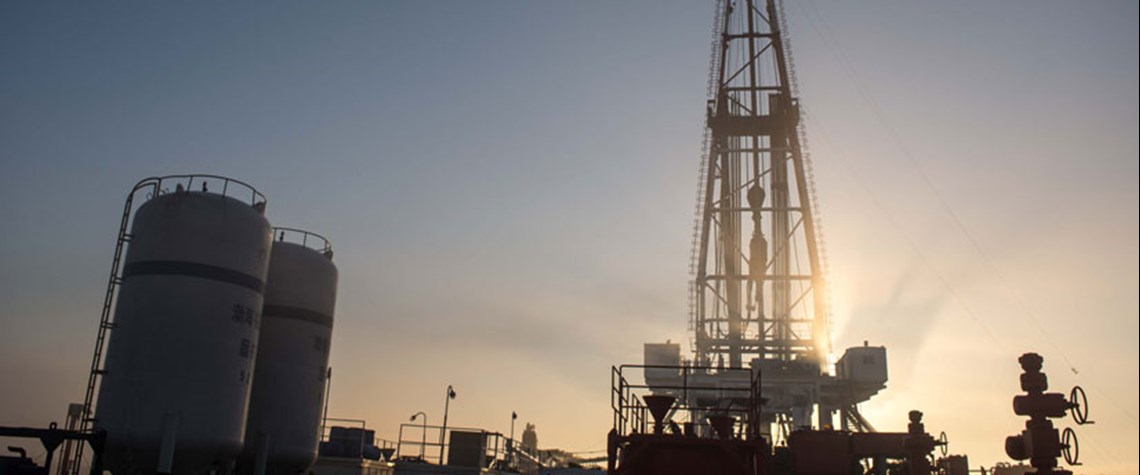
Iraq’s oil production hit a ten-month peak of 3.9mn bl/d in March, as the Opec+ cuts with which the country has, admittedly reluctantly, largely complied with began to ease. And federal export revenues were their highest for a year, ever since the brief Saudi-Russia oil price war was followed by Covid-19. With more production curbs set to lift and the prospect of further revenue growth, Iraq’s oil minister Ihsan Ismaael looked to the future in late March. The country’s new goal is to hike nationwide capacity—including that controlled by the Kurdistan Regional Government (KRG) in the semi-autonomous north—by some two-thirds, to 8m bl/d, by 2029. 8mn bl/d – Baghdad’s 2029 output goal W

Also in this section
21 April 2026
After overcoming a COVID-induced demand collapse with several years of successful market management, geopolitical events have conspired to provide the pact’s biggest test to date
21 April 2026
The regime’s policy of using nuclear ambiguity as a deterrent may have failed but it has realised it has other cards to play, while its neighbours are reappraising their approach to security
21 April 2026
As the global energy system undergoes a fundamental realignment, Algihaz Holdings has established itself as a critical player bridging conventional energy markets and the next generation of renewable infrastructure.
21 April 2026
The 25th WPC Energy Congress is taking place from 11-15 October 2026 at the Riyadh Front Exhibition & Conference Center.



