


Newsletters | Request Trial | Log in | Advertise | Digital Issue   |   Search
  • Upstream
  • Midstream & Downstream
  • Gas & LNG
  • Trading & Markets
  • Corporate & Finance
  • Geopolitics
  • Podcasts
Search
Related Articles
Outlook 2026: How critical mineral partnerships are shaping ASEAN’s energy transition
The global race for critical minerals has become a defining feature of energy geopolitics, presenting the ASEAN region with both opportunity and risk
Thailand’s upstream revival picks up speed
The Southeast Asian producer has reversed declining output and is pushing on with a deepwater-focused new bidding round
Thailand’s LNG readies for commercial transformation
The start of private LNG imports may trigger an evolution in the country’s policy of energy security to encompass commercial exploitation
Thailand and Cambodia eye oil and gas detente
Asian neighbours seek resolution on territorial dispute for hydrocarbons development that has spanned decades
New regulations pose risks for Thai refiners
Attempts to control domestic fuel prices could threaten supply
Asia increasingly looks to flexible LNG supply
Demand growth and the expiration of existing contracts mean Asian nations will become less reliant on long-term contracted supply
Canada’s Valeura eyes fresh deals after Thai expansion
The company is also working to sustain output from its Thai-focused portfolio into the 2030s
Thai oil production poised for modest rebound
Efforts by independents and NOC PTTEP will help boost production this year, but the sector is increasingly mature
Asia’s NOCs chart paths to decarbonisation
But none of the companies are poised to abandon oil and gas anytime soon
More to come in Thailand for Valeura
The Canadian indie is already undergoing rapid growth and is looking for further opportunities in the Southeast Asian country
Thailand PTT
David Whitehouse
20 February 2020
Follow @PetroleumEcon
Forward article link
Share PDF with colleagues

PTTEP faces margin pressure on gas plan

As the Thai NOC embarks on its record five-year investment programme, analysts wonder how it will maintain profitability

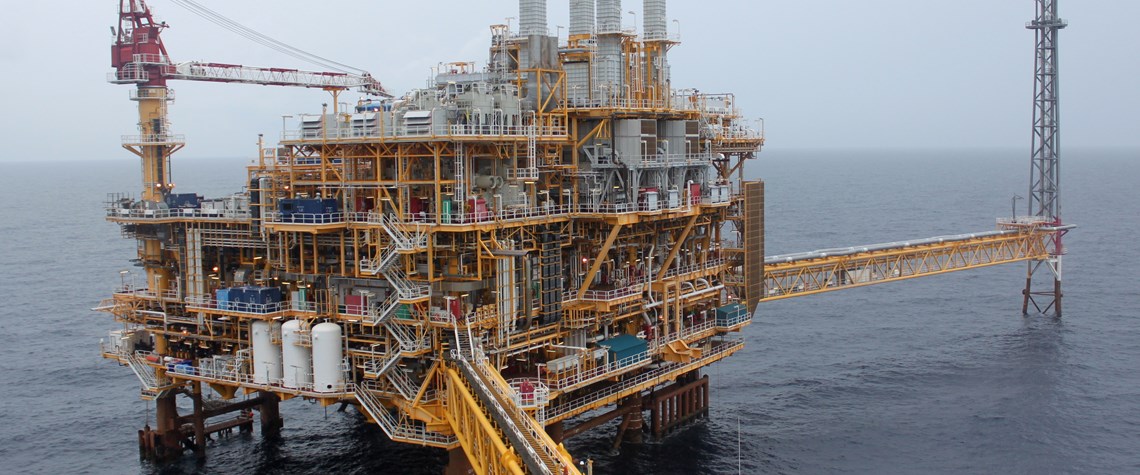
Thailand’s NOC and largest petroleum producer PTTEP in December announced its largest-ever five-year investment programme of $24.6bn. Maintaining margins on these investments will be challenging given the gas prices it has committed to receiving for the output of its holdings in the Gulf of Thailand.  PTTEP won production and development rights for the Bongkot and Erawan fields in the Gulf of Thailand in December 2018. Chevron previously operated Erawan, while PTTEP was already the operator of Bongkot. The company was awarded the fields based on its offered gas price of $3.55/mn Btu and profit share terms that were more favourable than those offered by Chevron, says Prateek Pandey, senior up

Also in this section
Trump’s bid to reshape the global energy order
10 March 2026
From Venezuela to Hormuz, the US—backed by the most powerful military force ever assembled—is redrawing not only oil and gas flows but also the global balance of energy power
The diesel crisis
10 March 2026
By shutting the Strait of Hormuz, Iran has cut exports of distillate-rich Middle Eastern crude, jet fuel and diesel, and is holding the energy market hostage
Navigating the next LNG cycle
10 March 2026
Eni’s director for global gas and LNG portfolio, Cristian Signoretto, discusses how demand will respond to rising LNG supply, and how the company is expanding its own gas and LNG operations through disciplined, capital-efficient investments
OPEC+ boosted production before crisis
9 March 2026
Petroleum Economist analysis sees increases in output from Saudi Arabia, Venezuela and Kazakhstan among others before region’s murky descent

Share PDF with colleagues

COPYRIGHT NOTICE: PDF sharing is permitted internally for Petroleum Economist Gold Members only. Usage of this PDF is restricted by <%= If(IsLoggedIn, User.CompanyName, "")%>’s agreement with Petroleum Economist – exceeding the terms of your licence by forwarding outside of the company or placing on any external network is considered a breach of copyright. Such instances are punishable by fines of up to US$1,500 per infringement
Send

Forward article Link

Send
Sign Up For Our Newsletter
Project Data
Maps
Podcasts
Social Links
Featured Video
Home
  • About us
  • Subscribe
  • Reaching your audience
  • PE Store
  • Terms and conditions
  • Contact us
  • Privacy statement
  • Cookies
  • Sitemap
All material subject to strictly enforced copyright laws © 2025 The Petroleum Economist Ltd
Cookie Settings
;

Search


