


Fracks and facts
Daniel Raimi's book sifts through the bluster and rhetoric. The result will please and annoy both sides
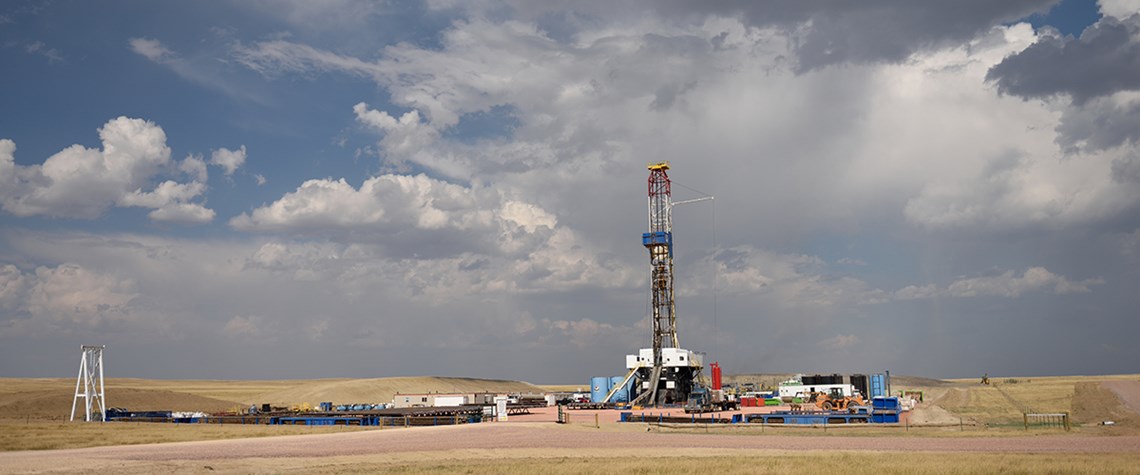
Shale oil and gas have changed the world, but hydraulic fracturing, the technique that frees the molecules from otherwise-impermeable rock, is still controversial. Several European countries have banned it. Activists still picket UK drilling sites. Hillary Clinton, who in government sought to export American shale technology, came out against fracking in her doomed presidential bid. Industry boosters and anti-fracking campaigners duke it out daily online, always talking past one another. The opponents have quite a charge list. Fracking contaminates aquifers and drinking water. It causes earthquakes. Methane leakage worsens climate change. The US sector is an unregulated Wild West. Shale gas

Also in this section
1 April 2026
Golden Pass’s startup offers QatarEnergy a timely boost but may also force a difficult choice between honouring disrupted contracts and capitalising on soaring spot LNG prices
1 April 2026
It is not a case of if or when, but the length and magnitude of economic damage from elevated oil prices
1 April 2026
The US-Iran conflict demonstrates the need for diversification in several senses of the word. It also exposes the limits of Washington applying pressure on major oil and gas producers it considers geopolitical adversaries
31 March 2026
Disappointing results in its bidding round are a reality check for Libya, and global exploration generally



