


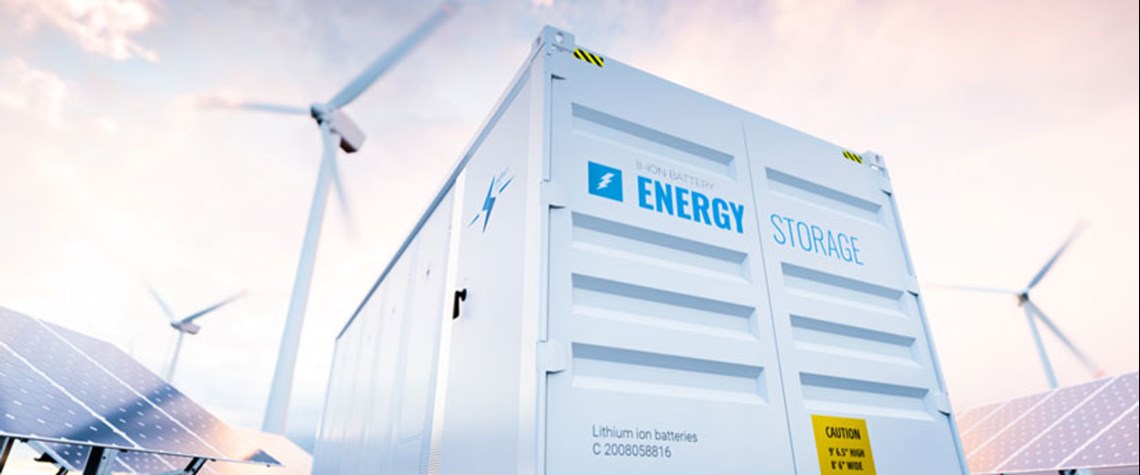
In the post feed-in tariff world, more risk is being pushed to the investor side
European power trading innovation: The rise of PPAs
The end of guaranteed prices for renewables generation is sparking a revolution in risk management
A power-purchase agreement (PPA) sounds inherently very simple. One party agrees to sell power in certain volumes over a certain period for a certain price, the other to buy. But a renewable power asset is decidedly less simple, not producing a predictable volume of energy. Nor is the future price of electricity certain, or even observable beyond the liquid traded market. With PPAs the preferred method of underpinning the investment case in renewables assets, it is not surprising, Michael Waldner, CEO of software firm Pexapark tells Petroleum Economist, that understanding their price risk has become so important. Pexapark CEO Michael Wald

Also in this section
1 April 2026
Golden Pass’s startup offers QatarEnergy a timely boost but may also force a difficult choice between honouring disrupted contracts and capitalising on soaring spot LNG prices
1 April 2026
It is not a case of if or when, but the length and magnitude of economic damage from elevated oil prices
1 April 2026
The US-Iran conflict demonstrates the need for diversification in several senses of the word. It also exposes the limits of Washington applying pressure on major oil and gas producers it considers geopolitical adversaries
31 March 2026
Disappointing results in its bidding round are a reality check for Libya, and global exploration generally



