


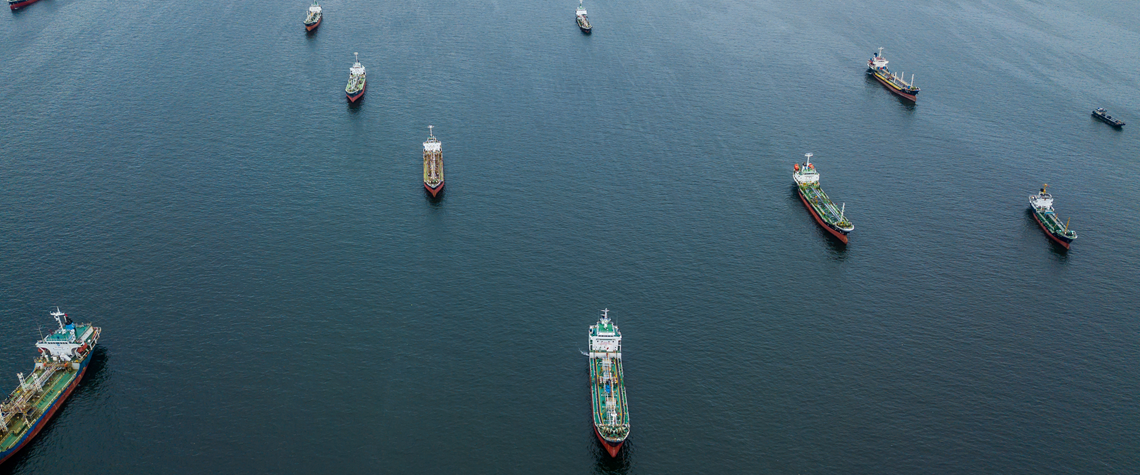
Frontline-Euronav merger will create one of the world’s largest privately-owned tanker fleets
Market vagaries may still buffet merging tanker heavyweights
Frontline-Euronav deal will create one of the world’s largest tanker fleets, but price-setting power may remain outside the combination’s reach
The merger of New York-listed shipowners Euronav and Frontline will create one of the world’s largest privately-owned tanker fleets and the biggest in the very large crude carrier (VLCC) and Suezmax sectors. Shareholders from both companies have approved the deal, which will combine the shipowners under the name Frontline. Euronav and Frontline’s shareholders will own around 59pc and 41pc respectively of the new company, which will have a market cap of c.$4.2bn. The merger “would establish a market leader” in the tanker sector, says Frontline CEO John Fredriksen, as well as bring “significant synergies... and increase fleet utilisation”. The combined fleet will comprise 67 VLCCs, two of the

Also in this section
1 April 2026
Golden Pass’s startup offers QatarEnergy a timely boost but may also force a difficult choice between honouring disrupted contracts and capitalising on soaring spot LNG prices
1 April 2026
It is not a case of if or when, but the length and magnitude of economic damage from elevated oil prices
1 April 2026
The US-Iran conflict demonstrates the need for diversification in several senses of the word. It also exposes the limits of Washington applying pressure on major oil and gas producers it considers geopolitical adversaries
31 March 2026
Disappointing results in its bidding round are a reality check for Libya, and global exploration generally



