


Additional US refinery closures are unlikely over the near-term
Worst is over for US refining
Wave of recent refinery closures and competitive edge make consolidation increasingly less likely
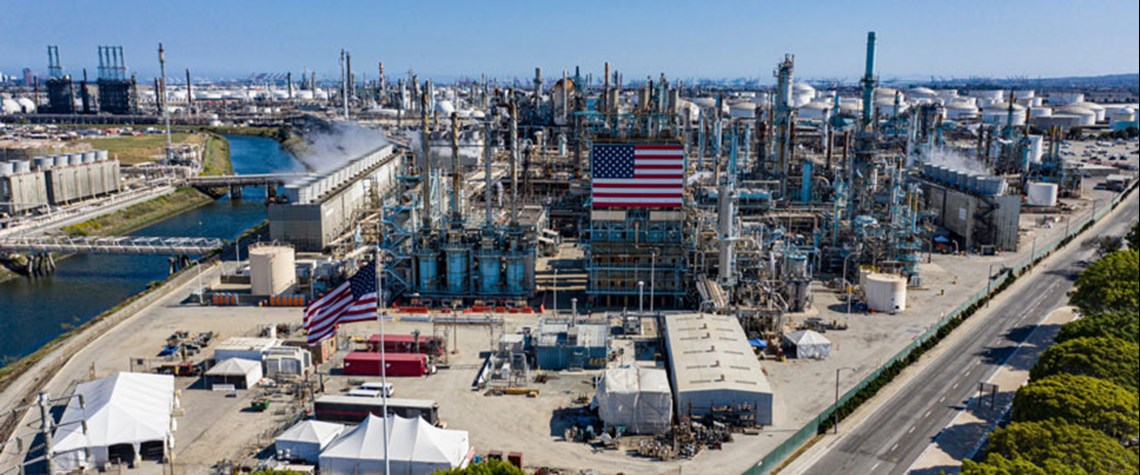
The US oil refining industry has lost almost 900,000bl/d of capacity since hitting an all-time high of 19mn bl/d in the second quarter of 2020 (see Fig. 1). But, while the global competition will continue to intensify, the US might have borne its greatest pain. China, India and some Middle Eastern countries continue to bring on millions of barrels of new refining capacity, with almost another 5mn bl/d expected by the end of 2025. These new mega-refineries tend to be integrated with petrochemical plants to make them even more competitive. And global oil consumption, already retarded by the Covid-19 pandemic, is increasingly at risk—especially in advanced economies—due to increasing efforts to

Also in this section
1 April 2026
Golden Pass’s startup offers QatarEnergy a timely boost but may also force a difficult choice between honouring disrupted contracts and capitalising on soaring spot LNG prices
1 April 2026
It is not a case of if or when, but the length and magnitude of economic damage from elevated oil prices
1 April 2026
The US-Iran conflict demonstrates the need for diversification in several senses of the word. It also exposes the limits of Washington applying pressure on major oil and gas producers it considers geopolitical adversaries
31 March 2026
Disappointing results in its bidding round are a reality check for Libya, and global exploration generally



