


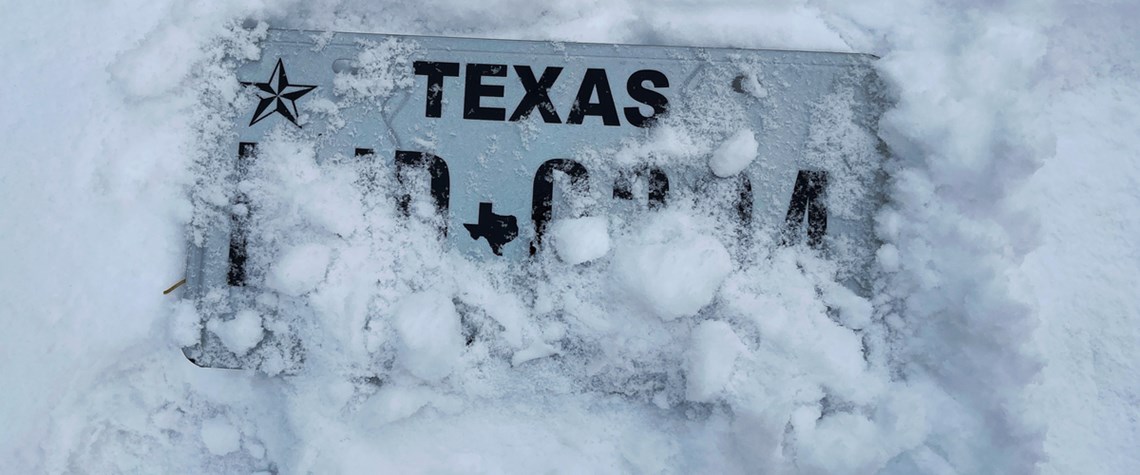
US refining put on ice
Blizzards in Texas have dramatically halted downstream activities, leaving opportunities for facilities still running
Arctic conditions across the US Gulf Coast have forced downstream companies to declare force majeure and shut in more than 3.6mn bl/d of refining capacity. In the shale patch, intermittent blackouts and power outages have caused widespread supply disruptions as temperatures plummeted to their lowest level in more than 50 years. Almost one-third of US production has been impacted by the cold snap, the largest on record. And while WTI broke the $60/bl ceiling in early February, the hit on refining demand has helped stabilise the oil price, preventing any sudden acceleration due to the knocked-out production. “Given the 3.6mn bl/d refinery capacity shut-in, with refineries estimated to have rec

Also in this section
1 April 2026
Golden Pass’s startup offers QatarEnergy a timely boost but may also force a difficult choice between honouring disrupted contracts and capitalising on soaring spot LNG prices
1 April 2026
It is not a case of if or when, but the length and magnitude of economic damage from elevated oil prices
1 April 2026
The US-Iran conflict demonstrates the need for diversification in several senses of the word. It also exposes the limits of Washington applying pressure on major oil and gas producers it considers geopolitical adversaries
31 March 2026
Disappointing results in its bidding round are a reality check for Libya, and global exploration generally



