


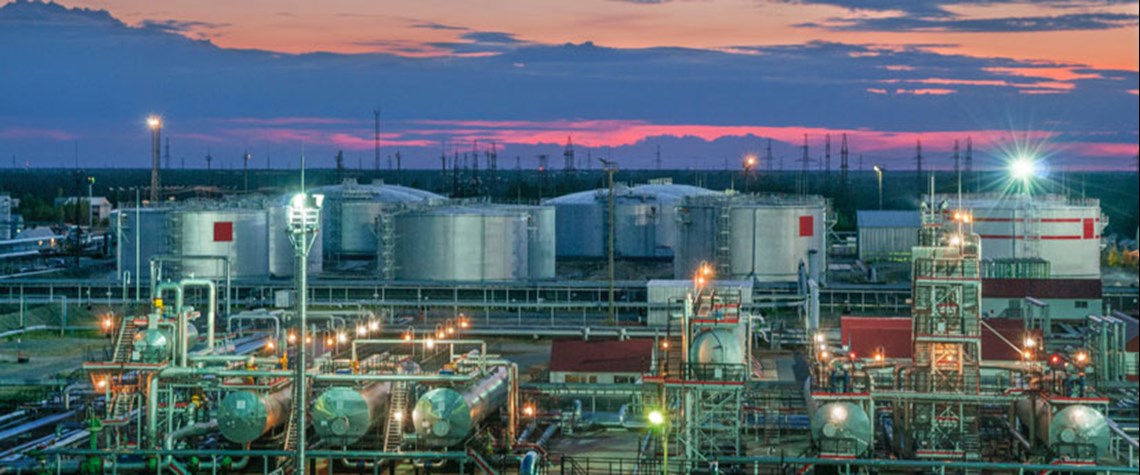
The government is trying to support squeezed refiners through tax refunds
Russian reforms drive refining change
Tax changes to incentivise refinery upgraders are bearing fruit
The Russian government’s policy of offering subsidies to refiners willing to spend big sums on upgrades is translating into investment decisions. And simpler facilities may finally be forced to face market realities and closure. The country’s refining industry was initially geared to churn out a lot of fuel oil. But fiscal incentives over a number of years have aimed to encourage output of higher value products for both domestic and export markets. And this has largely been effective, with major refineries producing lighter fuels for consumption both in Russia and abroad. 8.8mn t/yr – New Russian cracking capacity in 2021 “Over the past ten years the Russian refining sector has gone

Also in this section
14 April 2026
The GECF has warned it may revise its projections for demand this year downwards in light of conflict in the Middle East, although it maintains its forecasts for 2027 and onwards
13 April 2026
Petroleum Economist analysis highlights sharp shift from crude oversupply to market deficit, with Iraq and Kuwait badly affected and key producers Saudi Arabia and the UAE also seeing output sharply lower
13 April 2026
Turkmenistan is moving ahead with a modest expansion of the giant Galkynysh field to sustain gas deliveries abroad, but persistent delays to other key pipeline projects and geopolitical risks continue to constrain its export ambitions
13 April 2026
Expensive electricity has forced out swathes of energy-intensive industry and now threatens the country’s ability to attract future investment in datacentres and the digital economy



