


Refiners should expect the unexpected
Trend spotting is easier said than done in the refining sector
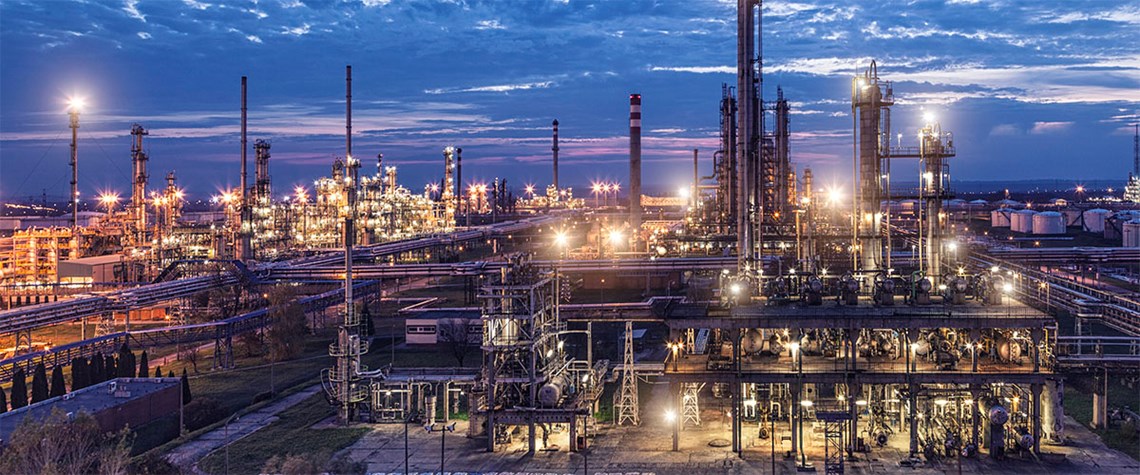
Refiners will need to be nimble to survive in a world of reduced demand for fossil fuels from the transport sector and those plans need to be put in motion now if they are to survive. Mol is a case in point. Around 70% of the company's output from its refineries in Hungary, Croatia and Slovakia, which mainly serve central European markets, is refined products for the transport sector. By 2030, the company plans to increase its non-fuel production, largely targeting the petrochemicals industry, to 50% of total output, compared with the current 30%. "This does not mean we will destroy our capability to produce diesel and gasoline [if margins stay high]," says Ferenc Horvath, head of the compan

Also in this section
21 April 2026
After overcoming a COVID-induced demand collapse with several years of successful market management, geopolitical events have conspired to provide the pact’s biggest test to date
21 April 2026
The regime’s policy of using nuclear ambiguity as a deterrent may have failed but it has realised it has other cards to play, while its neighbours are reappraising their approach to security
21 April 2026
As the global energy system undergoes a fundamental realignment, Algihaz Holdings has established itself as a critical player bridging conventional energy markets and the next generation of renewable infrastructure.
21 April 2026
The 25th WPC Energy Congress is taking place from 11-15 October 2026 at the Riyadh Front Exhibition & Conference Center.



