


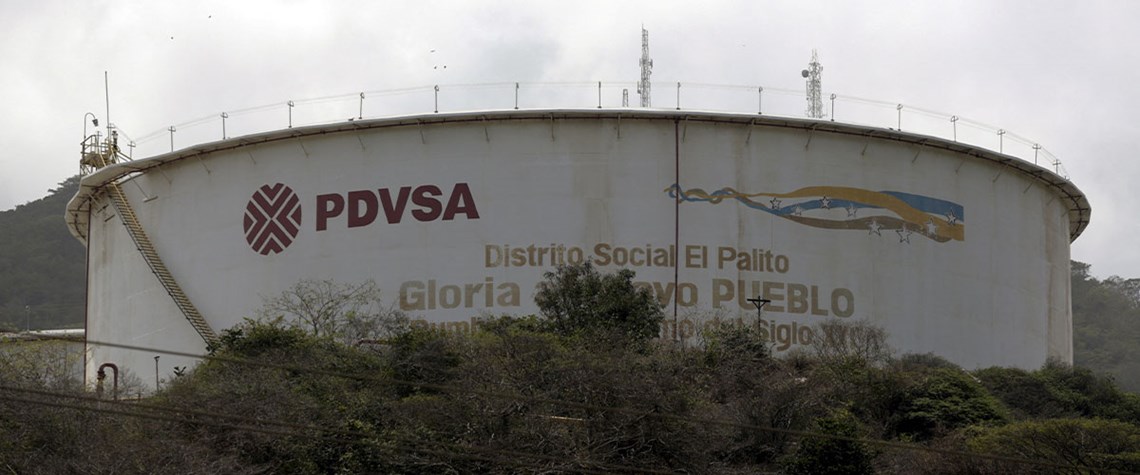
PDVSA’s El Palito refinery in Puerto Cabell
Venezuela’s limited oil sanctions relief
Washington’s move to ease restrictions on Caracas will likely have a more meaningful impact on US refiners than global crude markets
The US suspended selected sanctions on Venezuela on 18 October in response to the signing of an “electoral roadmap” between the Maduro government and the political opposition. Most observers are sceptical over how much of an impact the apparent rapprochement might have on the global oil markets, given the temporary nature of the sanctions relief and Venezuela’s degraded production capabilities. That is not to say the step will not move the dial for the US oil industry itself, which relies on heavier, sourer grades—typically from Canada—to blend with lighter, sweeter home-grown grades. So any extra flows from Venezuela—a traditional supplier of crude to its North American neighbour—will certa

Also in this section
1 April 2026
Golden Pass’s startup offers QatarEnergy a timely boost but may also force a difficult choice between honouring disrupted contracts and capitalising on soaring spot LNG prices
1 April 2026
It is not a case of if or when, but the length and magnitude of economic damage from elevated oil prices
1 April 2026
The US-Iran conflict demonstrates the need for diversification in several senses of the word. It also exposes the limits of Washington applying pressure on major oil and gas producers it considers geopolitical adversaries
31 March 2026
Disappointing results in its bidding round are a reality check for Libya, and global exploration generally



