


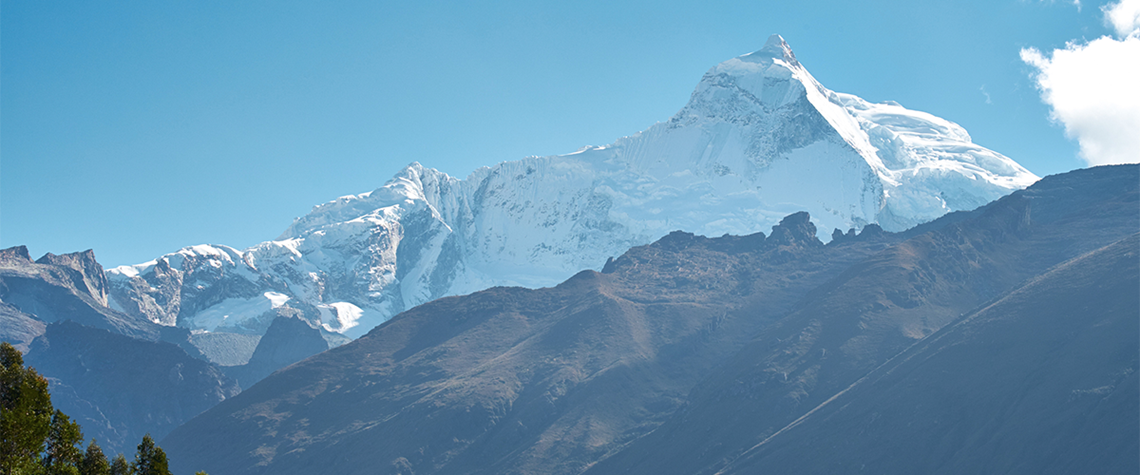
Nevado Huandoy, Peru
Uncertainty weighs on the Andean energy sector
Collapsing governments and crackdown on public dissent showcase growing instability
Political risk is in the ascendancy across the Andean region of Latin America after a year marked by protests, violent repression and musical chairs at the top of government. Peru and Ecuador have been hit particularly hard by the recent turmoil. In May, Ecuadorian president Guillermo Lasso triggered a new general election to avoid impeachment, while Peruvian President Pedro Castillo was ousted from power in December after attempting a coup d’etat against his own government. Widespread demonstrations and violence have rocked both countries, but Ecuador’s oil and gas sector has been especially affected. “Protests [have] resulted in an 11% fall in production by NOC Petroecuador so far this y

Also in this section
1 April 2026
Golden Pass’s startup offers QatarEnergy a timely boost but may also force a difficult choice between honouring disrupted contracts and capitalising on soaring spot LNG prices
1 April 2026
It is not a case of if or when, but the length and magnitude of economic damage from elevated oil prices
1 April 2026
The US-Iran conflict demonstrates the need for diversification in several senses of the word. It also exposes the limits of Washington applying pressure on major oil and gas producers it considers geopolitical adversaries
31 March 2026
Disappointing results in its bidding round are a reality check for Libya, and global exploration generally



