


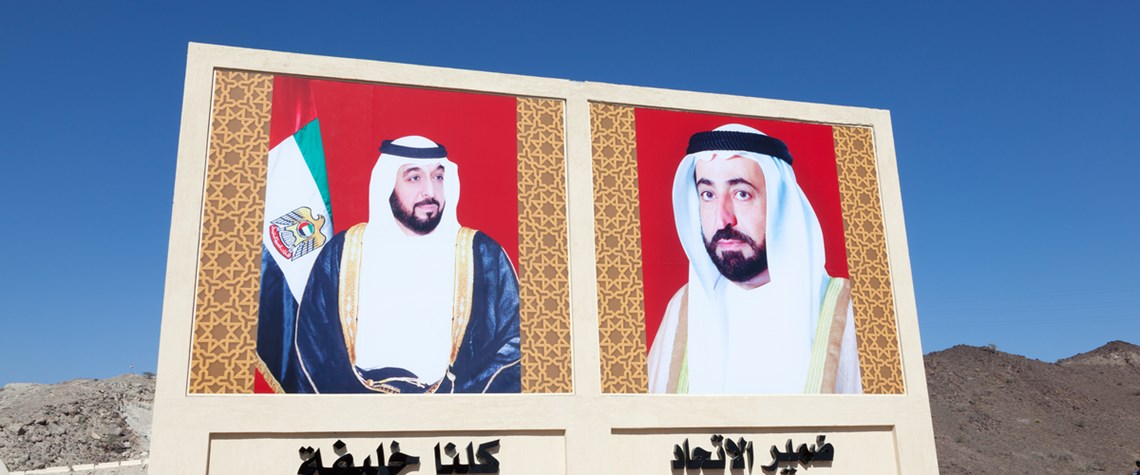
UAE President Khalifa bin Zayed Al Nahyan and Sheikh Mohammed bin Rashid Al Maktoum
Opec faces longer-term challenges
The organisation may have smoothed over the cracks this time. But the UAE’s very public dissent may be just the first sign of things to come
It was little surprise that Saudi Arabia and the UAE eventually reached a compromise on Opec production and baselines, despite the high drama at the latest Opec ministerial meeting. What was surprising, though, was the public nature of the disagreement and the willingness of UAE officials to joust so vigorously with their Saudi counterparts in international media, leading to energy minister Prince Abdulaziz bin Salman playing much more a la guerre than a plaisance. Opec has had its fair share of drama over the years. Nevertheless, the fact that the two erstwhile allies who have worked closely on finessing the cartel’s policies for decades and, since 2015, co-ordinated on a range of regional

Also in this section
14 April 2026
The GECF has warned it may revise its projections for demand this year downwards in light of conflict in the Middle East, although it maintains its forecasts for 2027 and onwards
13 April 2026
Petroleum Economist analysis highlights sharp shift from crude oversupply to market deficit, with Iraq and Kuwait badly affected and key producers Saudi Arabia and the UAE also seeing output sharply lower
13 April 2026
Turkmenistan is moving ahead with a modest expansion of the giant Galkynysh field to sustain gas deliveries abroad, but persistent delays to other key pipeline projects and geopolitical risks continue to constrain its export ambitions
13 April 2026
Expensive electricity has forced out swathes of energy-intensive industry and now threatens the country’s ability to attract future investment in datacentres and the digital economy



