


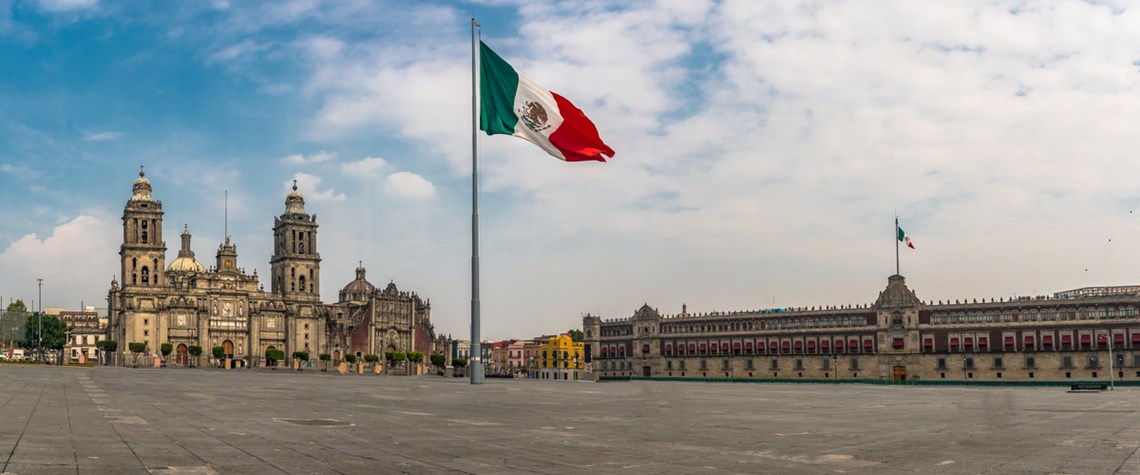
PE Live: Safeguarding Mexican investment
The suspension of licensing rounds may have disappointed the private sector. But international treaties offer crucial protection against further unwinding of the country’s energy reforms
Mexico’s appetite for foreign investment has changed dramatically since the landmark energy reforms that began in late 2013. Bidding rounds opened the door to a wave of IOCs eager to participate in the country’s upstream, ending almost 80 years of state-controlled monopoly. But since the inauguration of President Andres Lopez Obrador in late 2018, operators have faced a very different government stance. Licensing rounds, immediately frozen by Lopez Obrador, are still suspended and his administration remains critical of contracts previously signed with IOCs. Citing energy security concerns, the Lopez Obrador government has promised to maintain restrictions on future licensing rounds until ope

Also in this section
1 April 2026
Golden Pass’s startup offers QatarEnergy a timely boost but may also force a difficult choice between honouring disrupted contracts and capitalising on soaring spot LNG prices
1 April 2026
It is not a case of if or when, but the length and magnitude of economic damage from elevated oil prices
1 April 2026
The US-Iran conflict demonstrates the need for diversification in several senses of the word. It also exposes the limits of Washington applying pressure on major oil and gas producers it considers geopolitical adversaries
31 March 2026
Disappointing results in its bidding round are a reality check for Libya, and global exploration generally



