


Newsletters | Request Trial | Log in | Advertise | Digital Issue   |   Search
  • Upstream
  • Midstream & Downstream
  • Gas & LNG
  • Trading & Markets
  • Corporate & Finance
  • Geopolitics
  • Podcasts
Search
Related Articles
MENA states try to change their gas fortunes
While Syria has gas import plans and Jordan is targeting greater production, Egypt is struggling with declining output and Lebanon with the after-effects of conflict
Libya’s NOC sees E&P optimism through the anger
North African producer hopeful of bringing in IOCs despite the disagreements over terms as latest bidding round is launched
Hydrocarbon Processing Refining Databook 2025: Middle East & Africa
The Middle East is focusing on modernisation and expansion projects, while Africa is seeking to reduce its imports of refined products
Libya’s armed oil industry takeover
Booming crude production has been met with international caution after the UN’s damning assessment
Iran and Libya supply fortunes highlight market risks
The impact from Libya’s lost barrels versus the threats to Iranian supply highlight the type of buffer in the oil market and the demand implications
Chaos the new normal for Libya’s oil sector
Hopes for a recovery by the North African oil producer remain in tatters
Outlook 2024: Libya ready for investment
New strategic plan includes significant investment in oil and gas
Libya’s upstream promise still hamstrung by instability
But the troubled north African nation is not short of international investment interest
Libya targets 2m b/d oil before 2030
Oil minister Oun sends out cautiously optimistic message on oil and gas outlook and says pilot project ready to unlock huge shale reserves key to further growth
Explorers return to Libya despite fragile security
Peace means progress for Libya’s upstream, but disruption is never far away
Talks have stalled over General Haftar’s demand that Turkish and Syrian forces leave Tripoli
Libya Eni
Chris Stephen
Tunis
20 March 2020
Follow @PetroleumEcon
Forward article link
Share PDF with colleagues

Libya oil port shutdown drags on

A swift resolution to the blockade looks unlikely as fighting continues in Tripoli and the UN searches for a new mediator

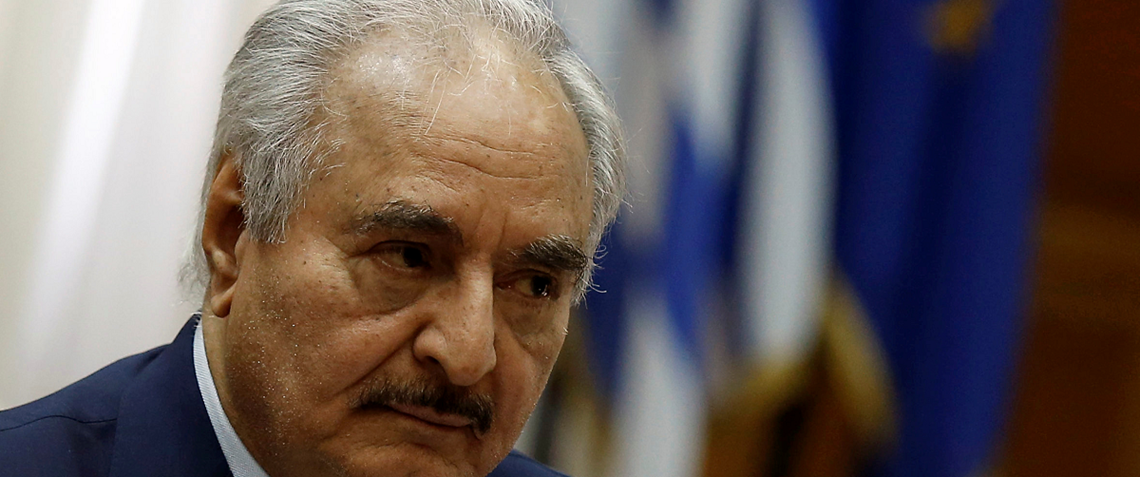
Economic losses from the eight-week shutdown of Libya’s oil ports have passed $3bn and, with fighting raging in Tripoli and the resignation of the UN’s top mediator, the impasse looks likely to persist.  Five eastern ports and three key south-western oil fields were shut on 17 January on the orders of general Khalifa Haftar’s Libyan National Army (LNA), which is backed by both the eastern government in Tobruk and local tribal leaders.  The shutdown was in response to Ankara deploying Turkish troops and Syrian mercenaries to aid Tripoli’s Government of National Accord (GNA), which is defending the capital from an 11-month offensive by Haftar’s forces.  Crude production reported by Libya’s sta

Also in this section
Southeast Asia’s digital age requires the right energy mix
8 January 2026
Indonesia and Malaysia are at the dawn of breathtaking digital capabilities. Their energy infrastructure must keep up with their ambitions
Outlook 2006: The North Sea’s next chapter – From backbone to blueprint
Outlook 2026
8 January 2026
The next five years will be critical for the North Sea, and it will be policy not geology that will decide the basin’s future
Outlook 2026: APAC is steadily growing and supporting its biofuels industry
Outlook 2026
8 January 2026
The region’s access to versatile feedstock, combined with policy support, is setting it up to meet growing demand both at home and abroad
Letter from Dubai: Unsung hero gas finds its voice
Opinion
7 January 2026
No longer can the energy source be considered a sidekick to oil in the Middle East and neither should it step aside for less convincing alternatives

Share PDF with colleagues

COPYRIGHT NOTICE: PDF sharing is permitted internally for Petroleum Economist Gold Members only. Usage of this PDF is restricted by <%= If(IsLoggedIn, User.CompanyName, "")%>’s agreement with Petroleum Economist – exceeding the terms of your licence by forwarding outside of the company or placing on any external network is considered a breach of copyright. Such instances are punishable by fines of up to US$1,500 per infringement
Send

Forward article Link

Send
Sign Up For Our Newsletter
Project Data
Maps
Podcasts
Social Links
Featured Video
Home
  • About us
  • Subscribe
  • Reaching your audience
  • PE Store
  • Terms and conditions
  • Contact us
  • Privacy statement
  • Cookies
  • Sitemap
All material subject to strictly enforced copyright laws © 2025 The Petroleum Economist Ltd
Cookie Settings
;

Search


