


The diverging fortunes of Africa’s crude kings
Profound differences in governance style will impact the speed and development of future energy projects across Angola and Nigeria
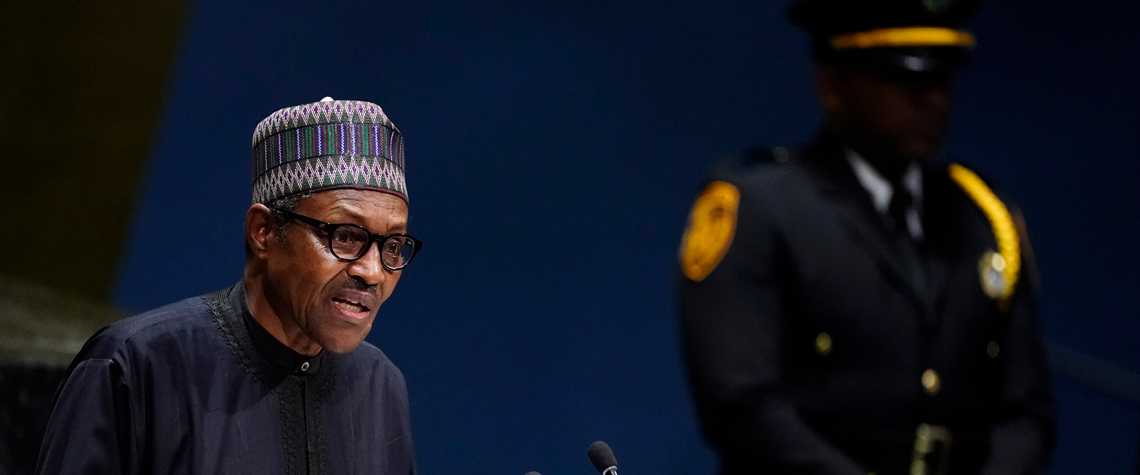
The 2014 oil price collapse hit Nigeria and Angola hard. Successive years without final investment decisions (FIDs) left sub-Saharan Africa’s top two oil producers confronting maturing fields and declining production. In Nigeria, president Muhammadu Buhari has done little to rekindle investment since assuming office in 2015—operators now face another three years of his slow-moving administration. By contrast, Angola’s head of state, Joao Lourenco, was quick to enlist the support of oil majors after assuming power in September 2017. The countries’ trajectories will continue to diverge in 2020 as Lourenco’s reforms reap rewards and Buhari continues to dither. Regulatory reforms Key to revivin

Also in this section
21 April 2026
After overcoming a COVID-induced demand collapse with several years of successful market management, geopolitical events have conspired to provide the pact’s biggest test to date
21 April 2026
The regime’s policy of using nuclear ambiguity as a deterrent may have failed but it has realised it has other cards to play, while its neighbours are reappraising their approach to security
21 April 2026
As the global energy system undergoes a fundamental realignment, Algihaz Holdings has established itself as a critical player bridging conventional energy markets and the next generation of renewable infrastructure.
21 April 2026
The 25th WPC Energy Congress is taking place from 11-15 October 2026 at the Riyadh Front Exhibition & Conference Center.



