


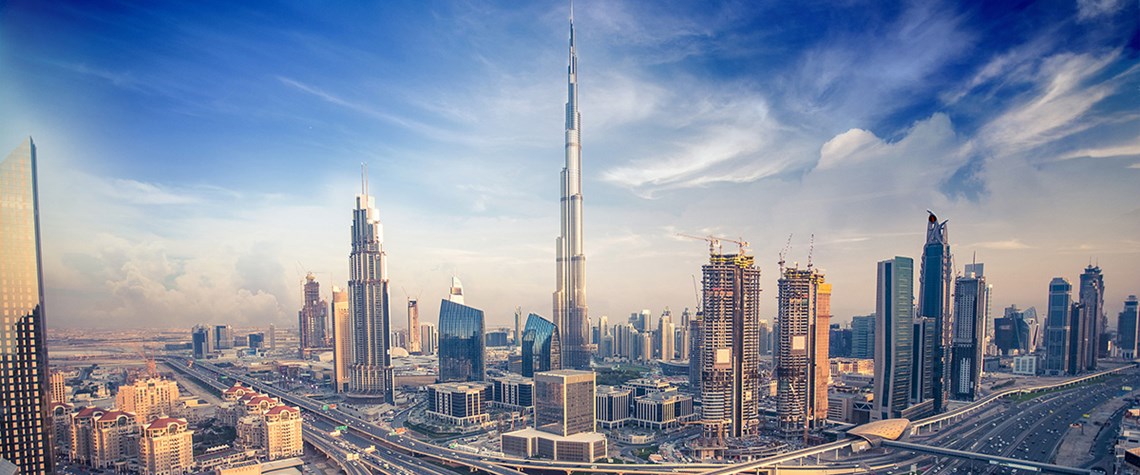
UAE—all hands on deck
The country is adopting a new energy identity which gives emirates, other than kingpin Abu Dhabi, greater and more diverse roles
Six emirates united under the UAE flag at a time when towns were slowly emerging from empty desert, caravans of camels decorated the horizon and agents of foreign energy firms examined dog-eared maps on the heated bonnets of their 4x4s. Since that day in December 1971, the energy paths of Abu Dhabi, Ajman, Dubai, Fujairah, Sharjah and Umm al-Quwain have differed hugely. Ras al-Khaimah joined the UAE a year later. For nearly half a century, Abu Dhabi, and Dubai to a lesser extent, took the lead in fossil-fuel production and consumption. But now the playing field is beginning to level out as other emirates leverage their natural resources. Three key triggers are spurring change. The first is t

Also in this section
21 April 2026
After overcoming a COVID-induced demand collapse with several years of successful market management, geopolitical events have conspired to provide the pact’s biggest test to date
21 April 2026
The regime’s policy of using nuclear ambiguity as a deterrent may have failed but it has realised it has other cards to play, while its neighbours are reappraising their approach to security
21 April 2026
As the global energy system undergoes a fundamental realignment, Algihaz Holdings has established itself as a critical player bridging conventional energy markets and the next generation of renewable infrastructure.
21 April 2026
The 25th WPC Energy Congress is taking place from 11-15 October 2026 at the Riyadh Front Exhibition & Conference Center.



