


Newsletters | Request Trial | Log in | Advertise | Digital Issue   |   Search
  • Upstream
  • Midstream & Downstream
  • Gas & LNG
  • Trading & Markets
  • Corporate & Finance
  • Geopolitics
  • Podcasts
Search
Related Articles
MENA states try to change their gas fortunes
While Syria has gas import plans and Jordan is targeting greater production, Egypt is struggling with declining output and Lebanon with the after-effects of conflict
TotalEnergies sticks to winning formula
TotalEnergies is an outlier among other majors for remaining committed to low-carbon investments while continuing to replenish and expand its ample oil and gas portfolio, with an appetite for high risk/high return projects.
Libya’s NOC sees E&P optimism through the anger
North African producer hopeful of bringing in IOCs despite the disagreements over terms as latest bidding round is launched
Hydrocarbon Processing Refining Databook 2025: Middle East & Africa
The Middle East is focusing on modernisation and expansion projects, while Africa is seeking to reduce its imports of refined products
Libya’s armed oil industry takeover
Booming crude production has been met with international caution after the UN’s damning assessment
Iran and Libya supply fortunes highlight market risks
The impact from Libya’s lost barrels versus the threats to Iranian supply highlight the type of buffer in the oil market and the demand implications
Chaos the new normal for Libya’s oil sector
Hopes for a recovery by the North African oil producer remain in tatters
Outlook 2024: Libya ready for investment
New strategic plan includes significant investment in oil and gas
Profitability remains a prerequisite for a credible energy transition—Repsol
Insisting that profitability must be maintained as energy companies transition from fossil fuels to clean fuels has enabled Repsol to ratchet up its climate neutrality ambitions, making the company an industry leader.
Libya’s upstream promise still hamstrung by instability
But the troubled north African nation is not short of international investment interest
Libya Eni TotalEnergies Repsol Equinor Wintershall
Chris Stephen
2 March 2018
Follow @PetroleumEcon
Forward article link
Share PDF with colleagues

Libya's seesawing oil production

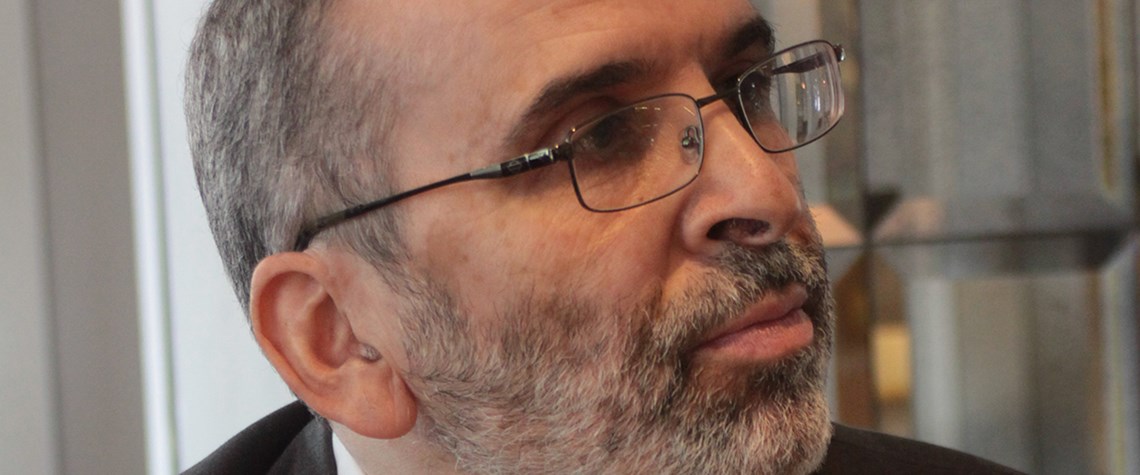
The head of the country's National Oil Corporation is succeeding in pushing output higher against the odds, only for its ubiquitous militias to push it back down again

The latest force pressing down on Libya's crude production comes from a familiar source: militias holding oil facilities to ransom. On 23 February, the Petroleum Facilities Guard (PFG), a state-funded militia, forcibly closed the southwestern El Feel field, a joint venture between NOC and Italy's Eni. NOC said the guards rioted, firing in the air and threatening staff who fled the site. As a result, El Feel's 70,000 barrels a day of production ceased. NOC declared force majeure on supplies from the field. NOC chairman and chief executive Mustafa Sanalla has previously complained about militias trying to control oil facilities. In February, Sanalla told Petroleum Economist that "all Libyans d

Also in this section
Outlook 2026
12 December 2025
The latest edition of our annual Outlook publication, titled 'The shape of energy to come: Creating unique pathways and managing shifting alliances', is available now
Canada’s Asian pivot faces hurdles
12 December 2025
The federal government is working with Alberta to improve the country’s access to Asian markets and reduce dependence on the US, but there are challenges to their plans
New Zealand is back open for business
11 December 2025
The removal of the ban on oil and gas exploration and an overhaul of the system sends all the right messages for energy security, affordability and sustainability
New Zealand’s gas horror story will haunt for years to come
10 December 2025
The economic and environmental cost of the seven-year exploration ban will be felt long after its removal

Share PDF with colleagues

COPYRIGHT NOTICE: PDF sharing is permitted internally for Petroleum Economist Gold Members only. Usage of this PDF is restricted by <%= If(IsLoggedIn, User.CompanyName, "")%>’s agreement with Petroleum Economist – exceeding the terms of your licence by forwarding outside of the company or placing on any external network is considered a breach of copyright. Such instances are punishable by fines of up to US$1,500 per infringement
Send

Forward article Link

Send
Sign Up For Our Newsletter
Project Data
Maps
Podcasts
Social Links
Featured Video
Home
  • About us
  • Subscribe
  • Reaching your audience
  • PE Store
  • Terms and conditions
  • Contact us
  • Privacy statement
  • Cookies
  • Sitemap
All material subject to strictly enforced copyright laws © 2025 The Petroleum Economist Ltd
Cookie Settings
;

Search


