


Southeast Asia is planning a long-term future for gas
Southeast Asia counting on carbon capture
The region’s shift from coal- to gas-fired generation will require additional strategies to meet ambitious carbon targets
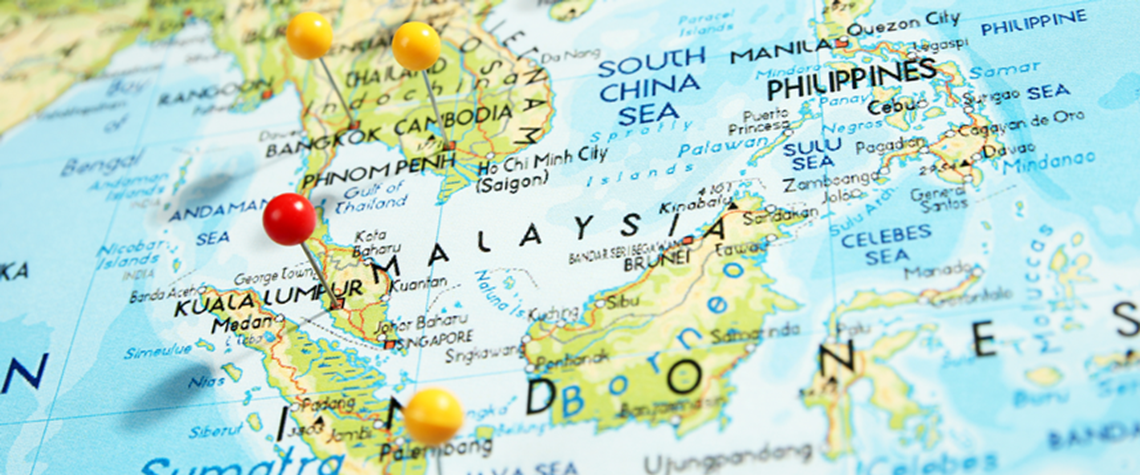
Governments and energy industry players in Southeast Asia are planning to use carbon capture and storage (CCS) and so-called ‘carbon-neutral’ LNG to extend the use of gas in the long term, as the question of how to meet ambitious climate commitments without causing too much disruption to regional economies comes ever more sharply into focus. A radical transformation of Southeast Asia’s energy sector is required to reach the region’s 2050 net-zero and carbon-neutrality aspirations. As a consequence, the region is tipped to be one of the most important drivers of gas demand growth, amid rising electricity consumption from improving living standards and industrialisation. Southeast Asia’s gas d

Also in this section
1 April 2026
Golden Pass’s startup offers QatarEnergy a timely boost but may also force a difficult choice between honouring disrupted contracts and capitalising on soaring spot LNG prices
1 April 2026
It is not a case of if or when, but the length and magnitude of economic damage from elevated oil prices
1 April 2026
The US-Iran conflict demonstrates the need for diversification in several senses of the word. It also exposes the limits of Washington applying pressure on major oil and gas producers it considers geopolitical adversaries
31 March 2026
Disappointing results in its bidding round are a reality check for Libya, and global exploration generally



