


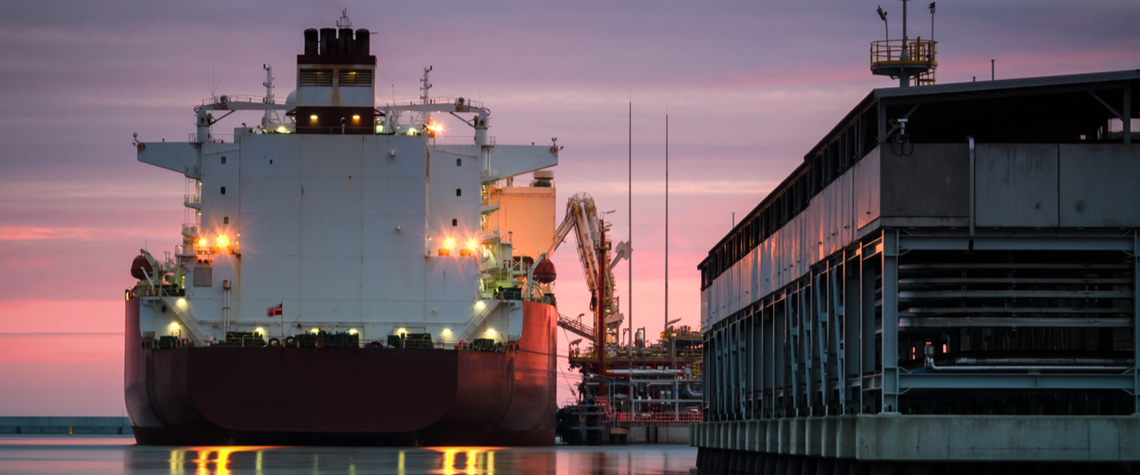
Qatar supplies the Swinoujscie terminal in Poland
Qatar orders first quarter of Chinese LNG tankers
The world’s largest LNG exporter has taken the first step in its vast fleet expansion
State-owned Qatar Petroleum (QP) has ordered four LNG carriers from Chinese shipbuilder Hudong, a subsidiary of China State Shipbuilding Corporation, as the first step in its plans to significantly expand its capabilities ahead of its North Field East (NFE) expansion. But the initial order represents just a quarter of the capacity it potentially has reserved with Hudong, while it has still to kick off a far bigger option with yards in South Korea. QP values the deal for the four ships confirmed with Hudong at QAR2.8bn ($760mn). It signed a deal with the Chinese firm in April 2020 to reserve capacity out to 2027 that could total in excess of QAR11bn, “depending on [QP’s] requirements and the

Also in this section
1 April 2026
Golden Pass’s startup offers QatarEnergy a timely boost but may also force a difficult choice between honouring disrupted contracts and capitalising on soaring spot LNG prices
1 April 2026
It is not a case of if or when, but the length and magnitude of economic damage from elevated oil prices
1 April 2026
The US-Iran conflict demonstrates the need for diversification in several senses of the word. It also exposes the limits of Washington applying pressure on major oil and gas producers it considers geopolitical adversaries
31 March 2026
Disappointing results in its bidding round are a reality check for Libya, and global exploration generally



