


Oman runs hard to stand still
The sultanate’s long-term oil ambitions are modest, but the urgent appetite for fresh gas supply remains
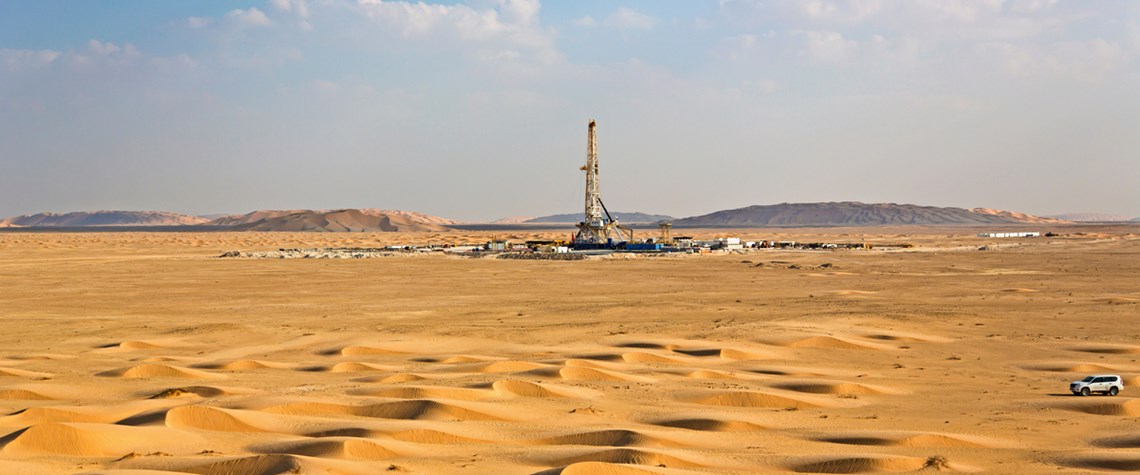
Oman’s oil sector ambitions, set out in the government’s latest five-year development plan unveiled at the turn of the year, appear modest at first glance. Production is forecast to rise next year by a relatively unspectacular 10pc, to 1.1mn bl/d, and stay there until mid-decade. But this-near stasis is, in fact, hard-won—a mark of success in the constant battle to staunch and offset declines at the country’s maturing main fields. Meanwhile, the pacey industrial growth that forms a key plank of the country’s economic roadmap requires continued development of domestic gas resources to ease a precarious supply/demand balance. Economics challenge While modest oil output increments are targeted,

Also in this section
1 April 2026
Golden Pass’s startup offers QatarEnergy a timely boost but may also force a difficult choice between honouring disrupted contracts and capitalising on soaring spot LNG prices
1 April 2026
It is not a case of if or when, but the length and magnitude of economic damage from elevated oil prices
1 April 2026
The US-Iran conflict demonstrates the need for diversification in several senses of the word. It also exposes the limits of Washington applying pressure on major oil and gas producers it considers geopolitical adversaries
31 March 2026
Disappointing results in its bidding round are a reality check for Libya, and global exploration generally



