


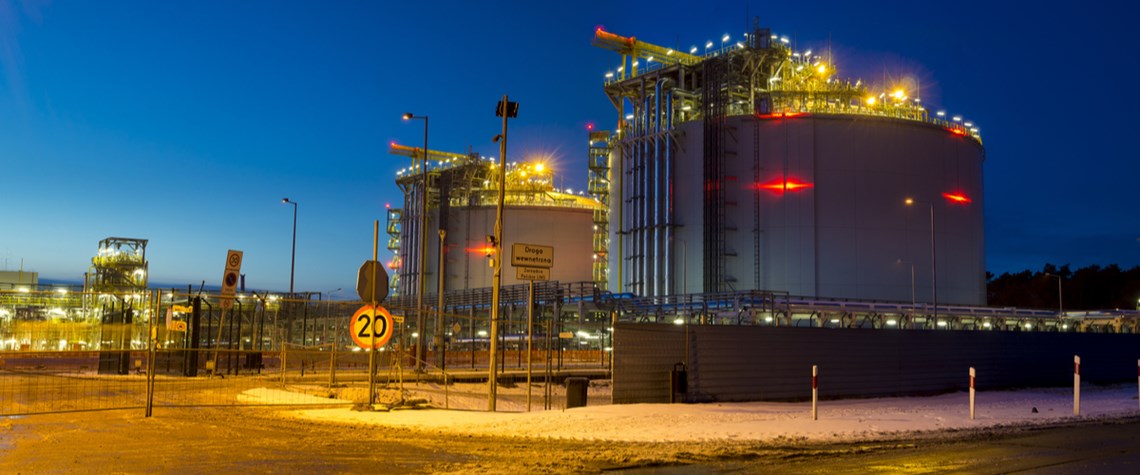
Eastern European coal-to-gas switching enthusiasm builds
Poland and the Czech Republic, long the continent’s coal champions, are having a rethink
Coal-fired power makes sense for Poland and the Czech Republic. As a domestic resource, it contributes positively to energy security, balance of payments, taxable revenue and employment. In contrast, largely imported gas offers none of these benefits and, in the past, has meant almost total reliance on Russia—Eastern Europe’s historically meddlesome neighbour. But the world is changing, and the environmental benefits of gas—as well as infrastructure developments to mitigate some of the dependence on Russian pipelines—are seeing even coal’s champions begin to embrace a ‘dash for gas’. Poland’s gas consumption has already grown from c.15bn m³/yr to 20bn m³/yr over the last ten years, according

Also in this section
1 April 2026
Golden Pass’s startup offers QatarEnergy a timely boost but may also force a difficult choice between honouring disrupted contracts and capitalising on soaring spot LNG prices
1 April 2026
It is not a case of if or when, but the length and magnitude of economic damage from elevated oil prices
1 April 2026
The US-Iran conflict demonstrates the need for diversification in several senses of the word. It also exposes the limits of Washington applying pressure on major oil and gas producers it considers geopolitical adversaries
31 March 2026
Disappointing results in its bidding round are a reality check for Libya, and global exploration generally



