


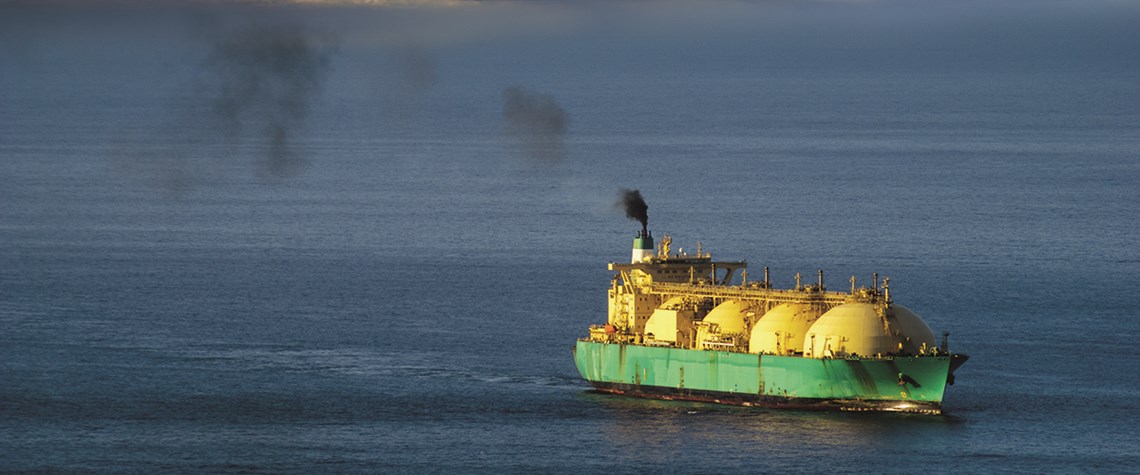
LNG hubs—more global, more liquid
Demand is keeping up with supply. But new flexibility and hubs are changing the trading environment
Increasingly flexible supply helped the world's liquefied natural gas market overcome expectations of a glut to absorb an 11% increase in production last year. Higher demand in key consumer countries helped, but new infrastructure in emerging gas markets; more flexibility on contract terms and prices; international traders' increased presence; and the gradual emergence of pricing hubs in the dominant Asia-Pacific market all contributed. "This is all part of the globalisation of gas", says a long-standing industry observer. Industry officials point out that the market's ability to absorb further supply from leading producers Australia, Qatar, and the US in coming years will be linked to its a

Also in this section
21 April 2026
After overcoming a COVID-induced demand collapse with several years of successful market management, geopolitical events have conspired to provide the pact’s biggest test to date
21 April 2026
The regime’s policy of using nuclear ambiguity as a deterrent may have failed but it has realised it has other cards to play, while its neighbours are reappraising their approach to security
21 April 2026
As the global energy system undergoes a fundamental realignment, Algihaz Holdings has established itself as a critical player bridging conventional energy markets and the next generation of renewable infrastructure.
21 April 2026
The 25th WPC Energy Congress is taking place from 11-15 October 2026 at the Riyadh Front Exhibition & Conference Center.



