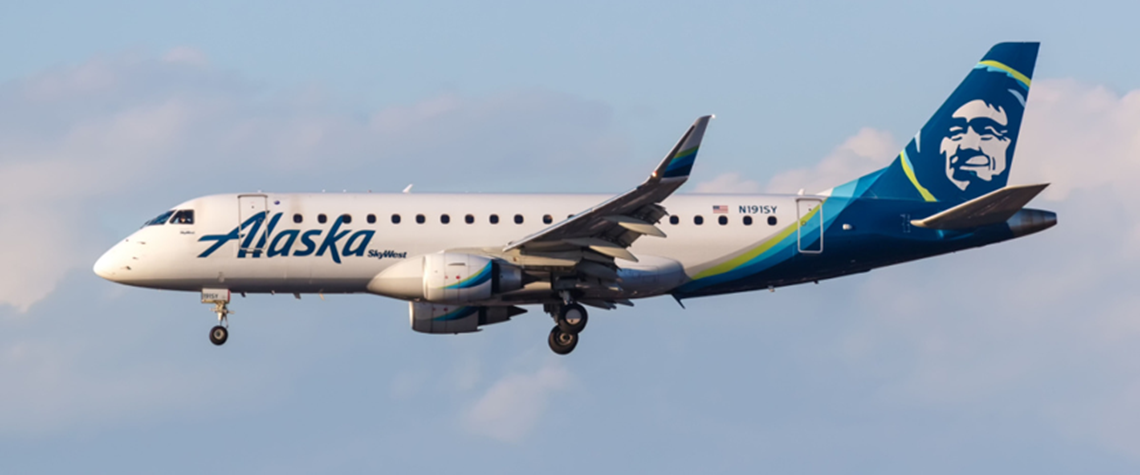
Airlines will need various technologies
No single solution to decarbonise aviation
Aircraft of varying sizes and in varying regions are likely to use different technologies to decarbonise, making regulation challenging
Hydrogen technologies will form one part of a range of strategies to decarbonise the aviation industry, making regulation and infrastructure an especially complicated issue for airline and airport operators, according to industry figures speaking at a recent summit hosted by hydrogen and electric aircraft developer ZeroAvia. Aircraft of varying sizes and on varying routes are likely to use different types of technology to decarbonise, with lighter aircraft using battery and fuel-cell propulsion systems, and heavier aircraft using liquid hydrogen or sustainable aviation fuel (SAF). Biofuels are currently the only option for SAF— which is the only technology that can work with existing aircraf

Also in this section
25 March 2026
The Middle East energy shock has highlighted the value of France’s unique potential to deploy nuclear-powered electrolysers
18 March 2026
The second fossil-fuel price shock in four years can be a much-needed catalyst for investment in the sector
9 March 2026
Hydrogen has not stalled in the UK because the technology does not work. The problem is that the system around it does not yet move at the speed required
4 March 2026
Turmoil in Middle East reminds nascent clean hydrogen sector that its future prospects are dependent on global energy markets and geopolitics