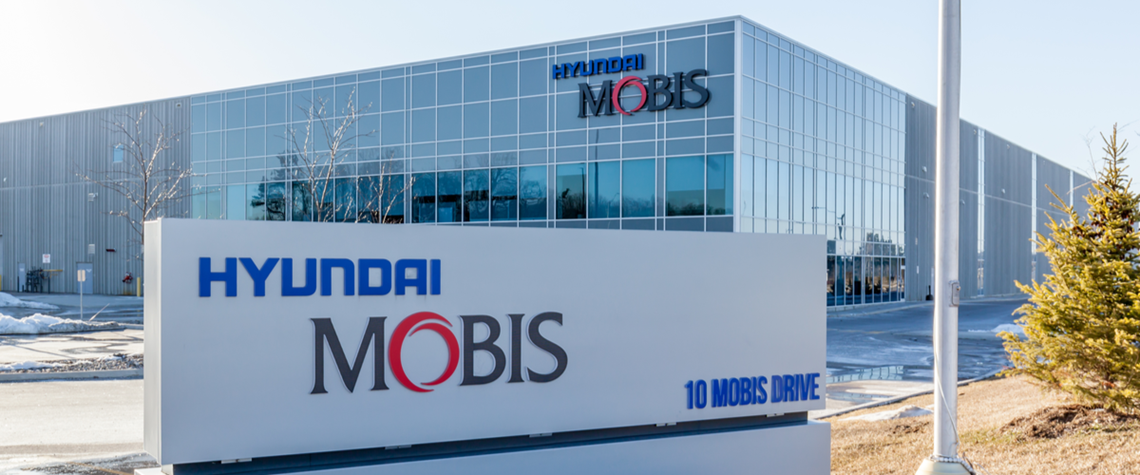
Hyundai Mobis is expanding its operations
Hyundai Mobis to build two fuel cell plants
New plants to start mass production in second half of 2023 and expected to produce 100,000 hydrogen fuel cells a year
Vehicle component manufacturer Hyundai Mobis—an affiliate of automaker Hyundai—is investing $1.1bn to build two new fuel cell plants in Incheon, South Korea. The new plants will start mass production in the second half of 2023 and are expected to produce 100,000 hydrogen fuel cells every year. The plants, when added to the company’s existing facility in Cungju, will give Hyundai Mobis the largest fuel cell production capacity in the world. “Despite uncertainties including Covid-19, we have decided to make this large-scale investment to secure the market-leading competitiveness in the global fuel cell industry,” says Hyundai Mobis CEO Sung Hwan Cho. Most fuel cell systems produced by Hyundai

Also in this section
1 April 2026
Multiple projects have been scrapped and valuations have nosedived, but the IEA says hydrogen is no passing fad
25 March 2026
The Middle East energy shock has highlighted the value of France’s unique potential to deploy nuclear-powered electrolysers
18 March 2026
The second fossil-fuel price shock in four years can be a much-needed catalyst for investment in the sector
9 March 2026
Hydrogen has not stalled in the UK because the technology does not work. The problem is that the system around it does not yet move at the speed required