


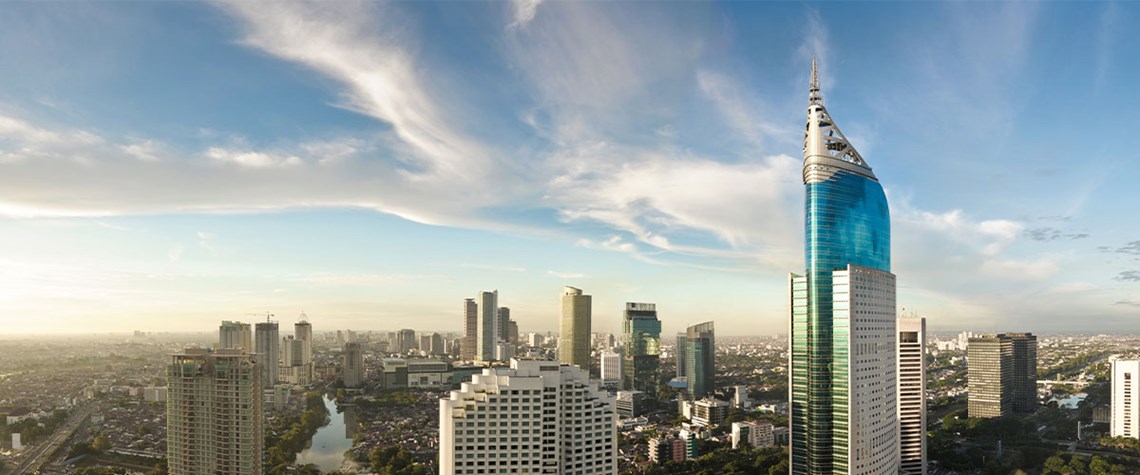
Jakarta, Indonesia
Indonesia struggles to reverse upstream fortunes
Slow progress at flagship LNG projects and a lack of foreign interest in oil prospects are hampering the country’s production goals
Indonesia’s upstream has seen mostly negative news this year, with the flagship Abadi LNG development remaining stalled and new oil and gas capacity additions projected to fall short of government targets. But expansion works at Tangguh LNG have resumed, following what BP CEO Bernard Looney termed “severe impacts from Covid”. The addition of a third, 3.8mn t/yr train at Tangguh project has faced repeated delays. Looney told a recent earnings call that “we hope… to start up by the end of next year, but a lot depends on how Covid evolves”. The third train will boost the facility’s overall capacity to 11.4mn t/yr. 3.8mn t/yr – Tangguh Train 3 capacity The existing two trains are largely

Also in this section
1 April 2026
Golden Pass’s startup offers QatarEnergy a timely boost but may also force a difficult choice between honouring disrupted contracts and capitalising on soaring spot LNG prices
1 April 2026
It is not a case of if or when, but the length and magnitude of economic damage from elevated oil prices
1 April 2026
The US-Iran conflict demonstrates the need for diversification in several senses of the word. It also exposes the limits of Washington applying pressure on major oil and gas producers it considers geopolitical adversaries
31 March 2026
Disappointing results in its bidding round are a reality check for Libya, and global exploration generally



