


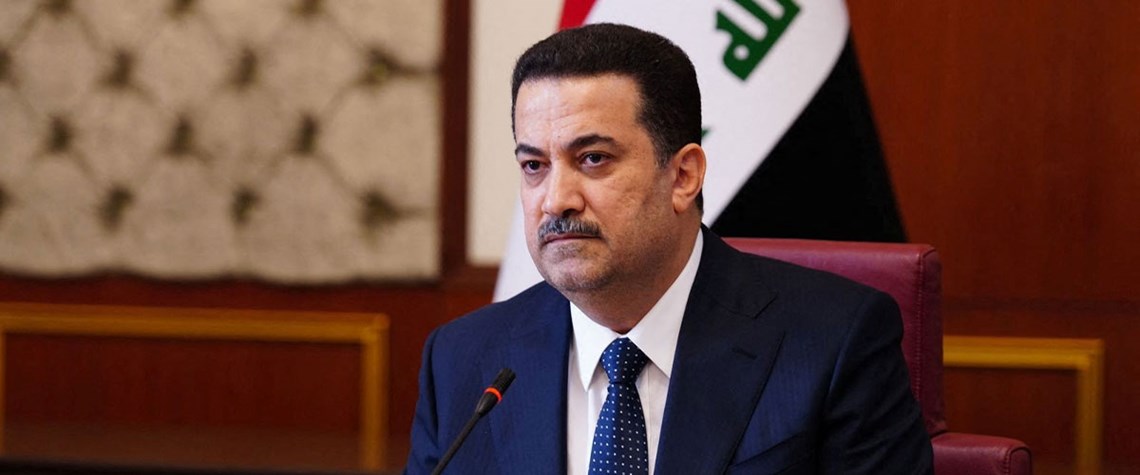
New Iraqi prime minister, Mohammed Shia al-Sudani
Government formation promises relief from Iraq’s upstream stasis
The new administration’s close ties to Tehran could mould its stance towards potential IOC investors
Iraq’s oil sector has been frozen since elections last year, paralysed by the caretaker government’s constitutional inability to make major policy and spending decisions. While rival Mideast Gulf producers and their foreign partners have spent their oil price windfalls on turbocharging upstream development, Baghdad is lagging, even though it is set to end the year with its coffers at their plumpest for nearly 20 years. As a result, the belated appointment of a new government in late October was greeted by the country’s IOC investors with a general sigh of relief. But the sentiment was largely detached from the character of the administration, moulded as it is by a tactical victory after year

Also in this section
1 April 2026
Golden Pass’s startup offers QatarEnergy a timely boost but may also force a difficult choice between honouring disrupted contracts and capitalising on soaring spot LNG prices
1 April 2026
It is not a case of if or when, but the length and magnitude of economic damage from elevated oil prices
1 April 2026
The US-Iran conflict demonstrates the need for diversification in several senses of the word. It also exposes the limits of Washington applying pressure on major oil and gas producers it considers geopolitical adversaries
31 March 2026
Disappointing results in its bidding round are a reality check for Libya, and global exploration generally



